
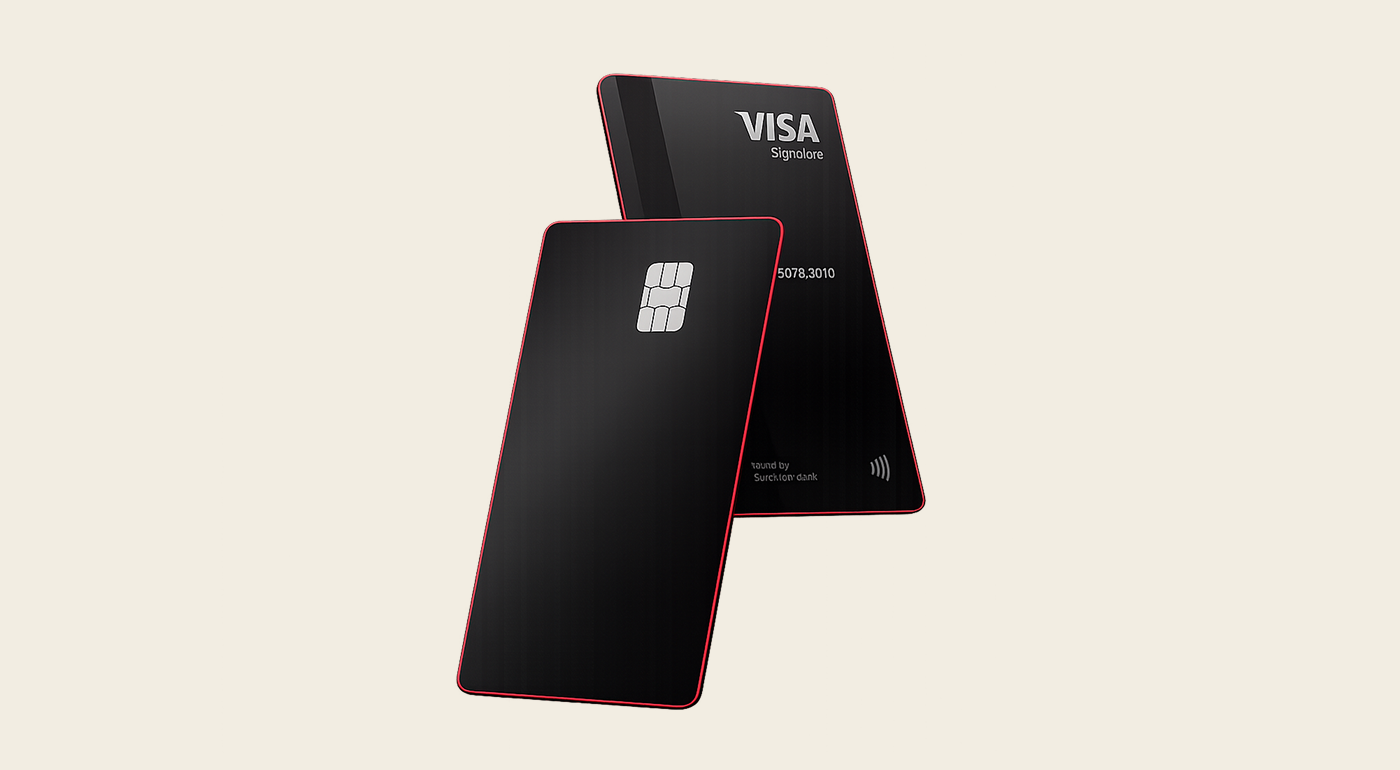
Verizon Visa Card | Role: Senior Design Manager
Making value visible
Challenge
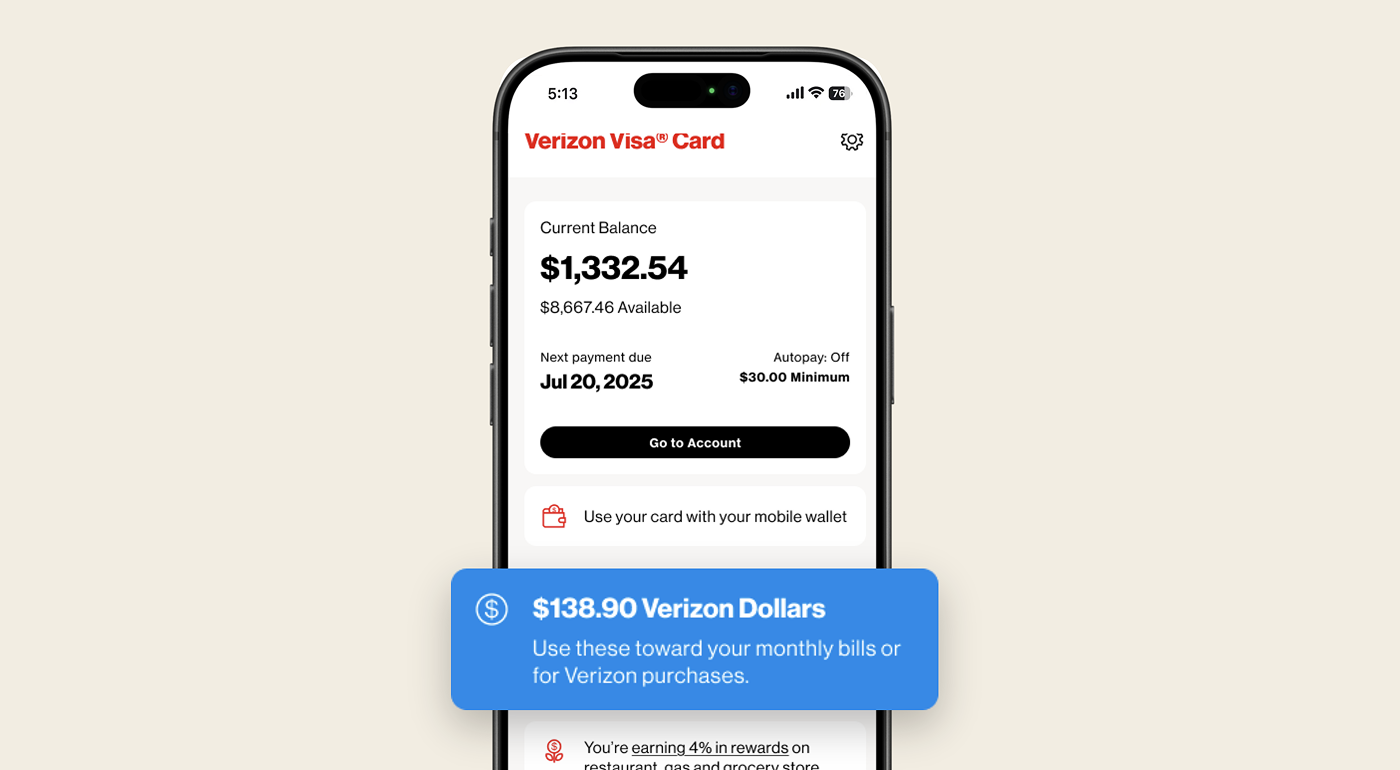
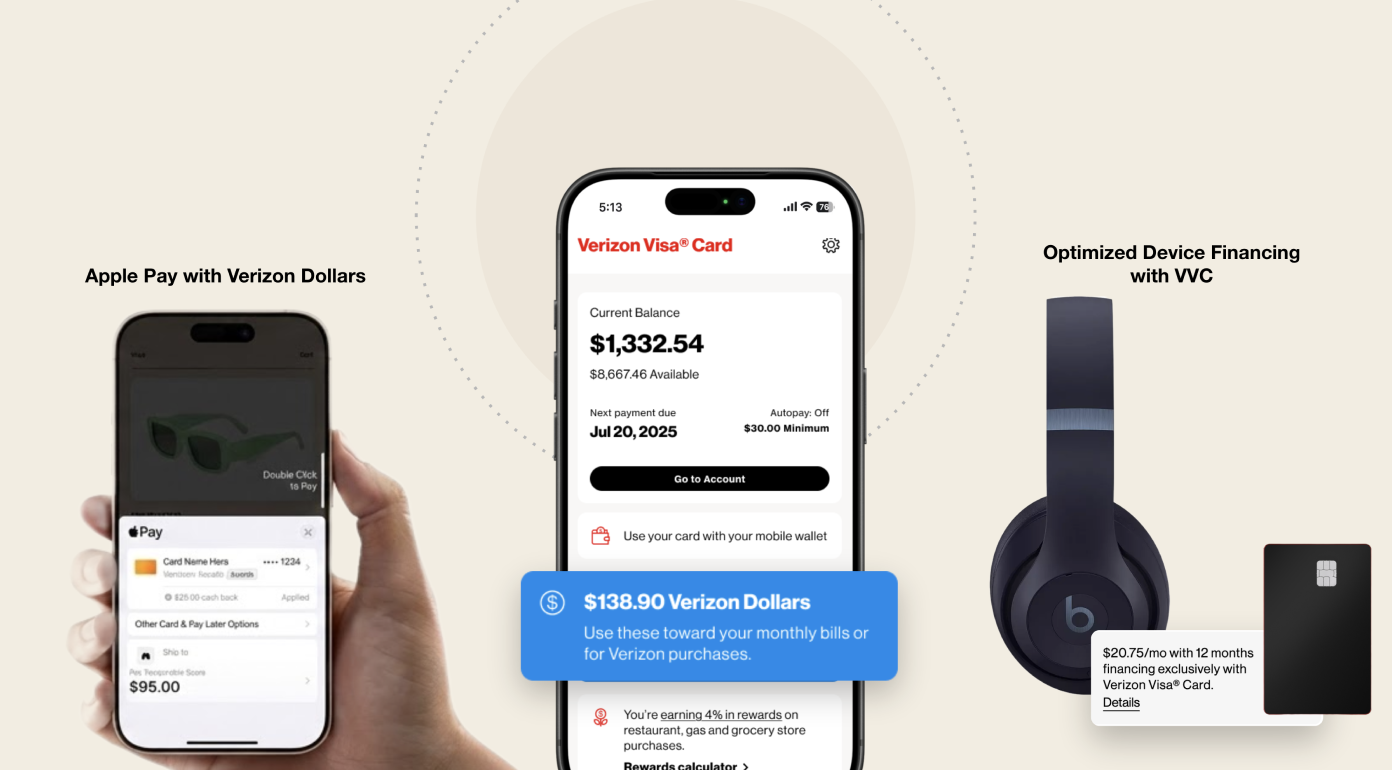
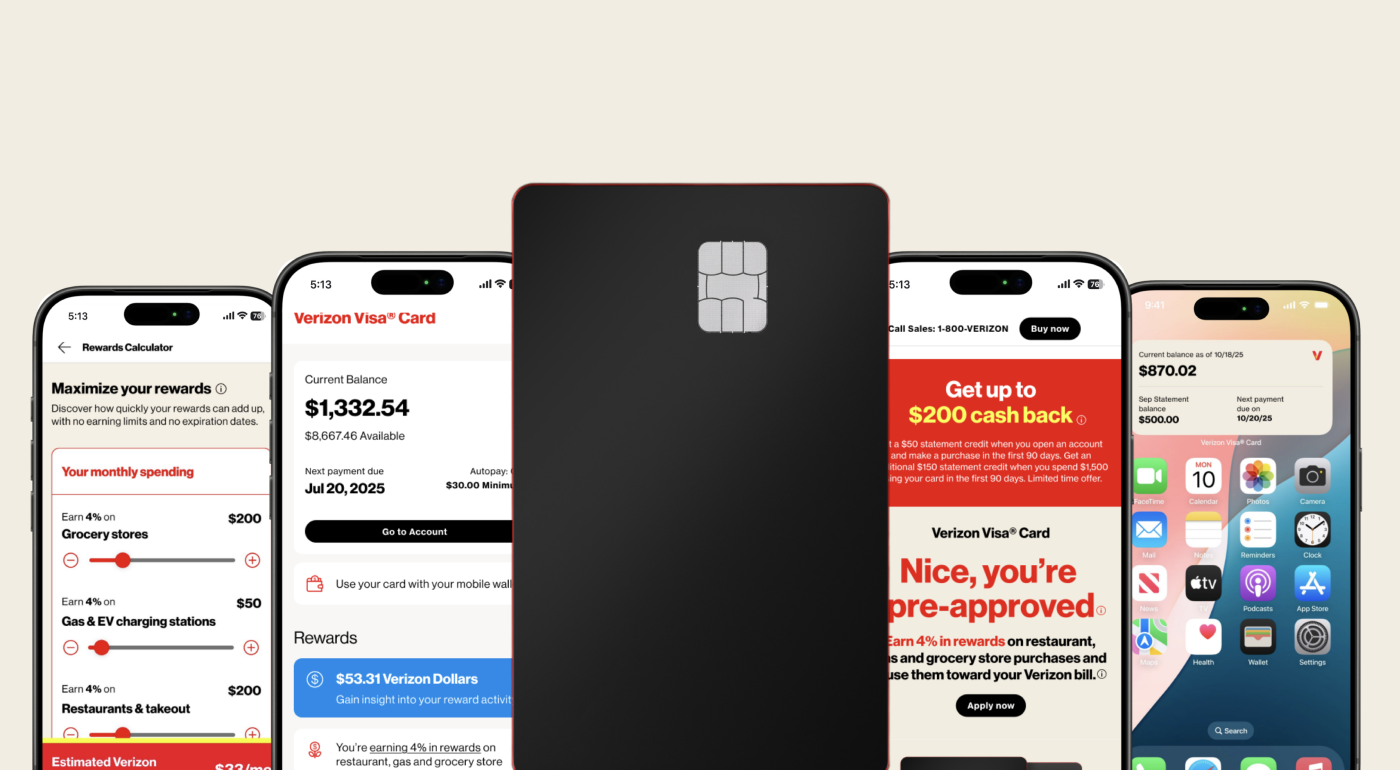
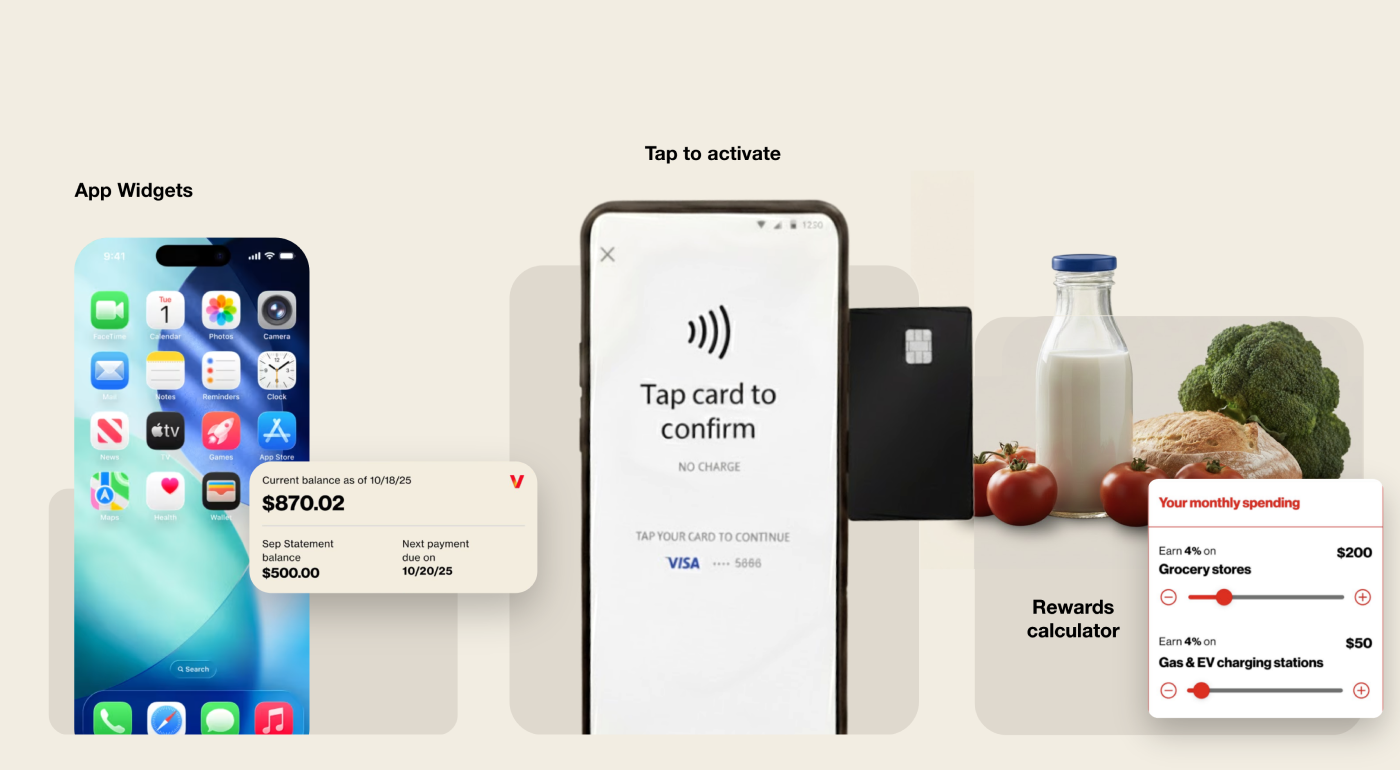
Cardholders were not engaging after activation. Nobody owned the experience, nobody agreed on what success looked like, and the value of the card was buried.
Solution
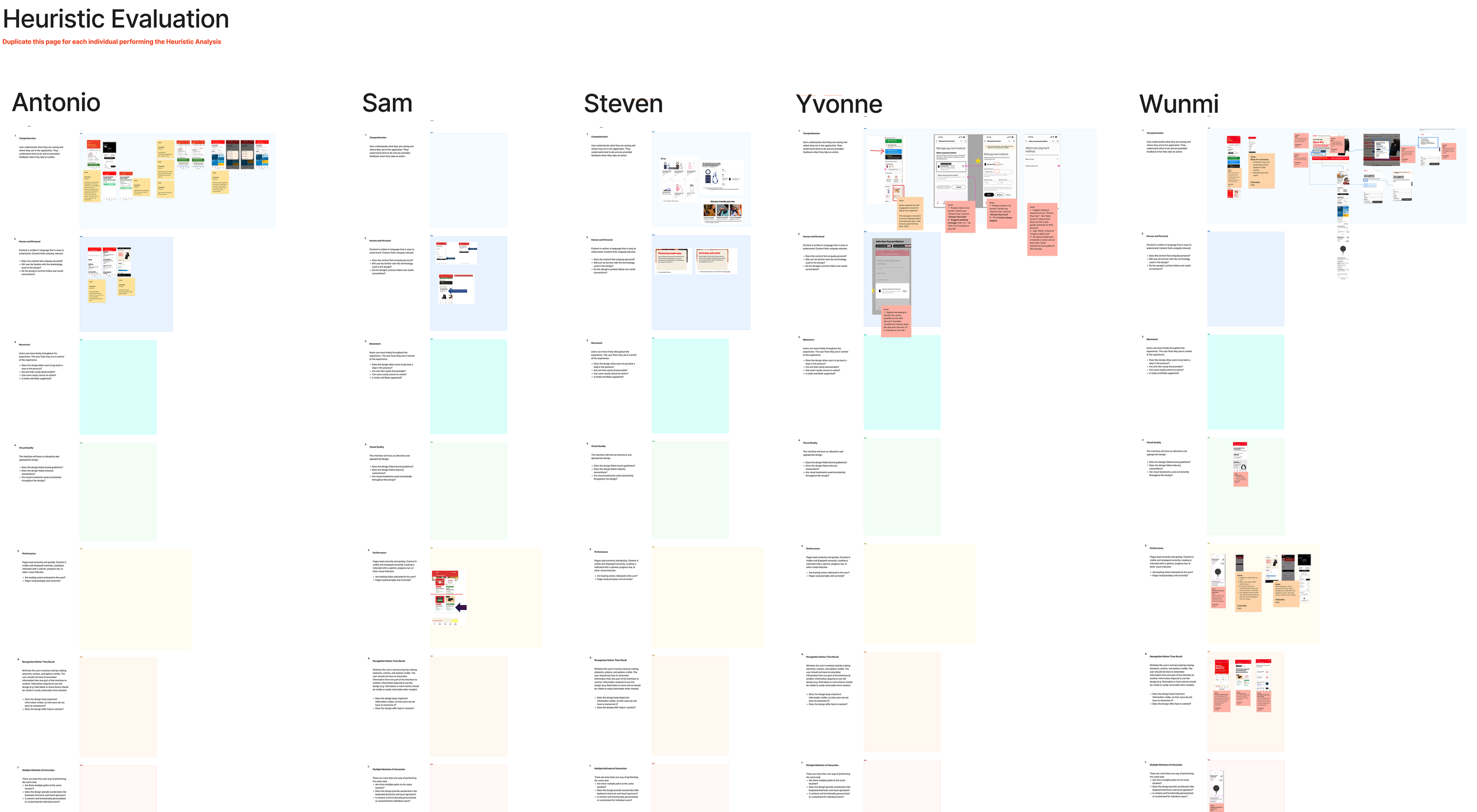
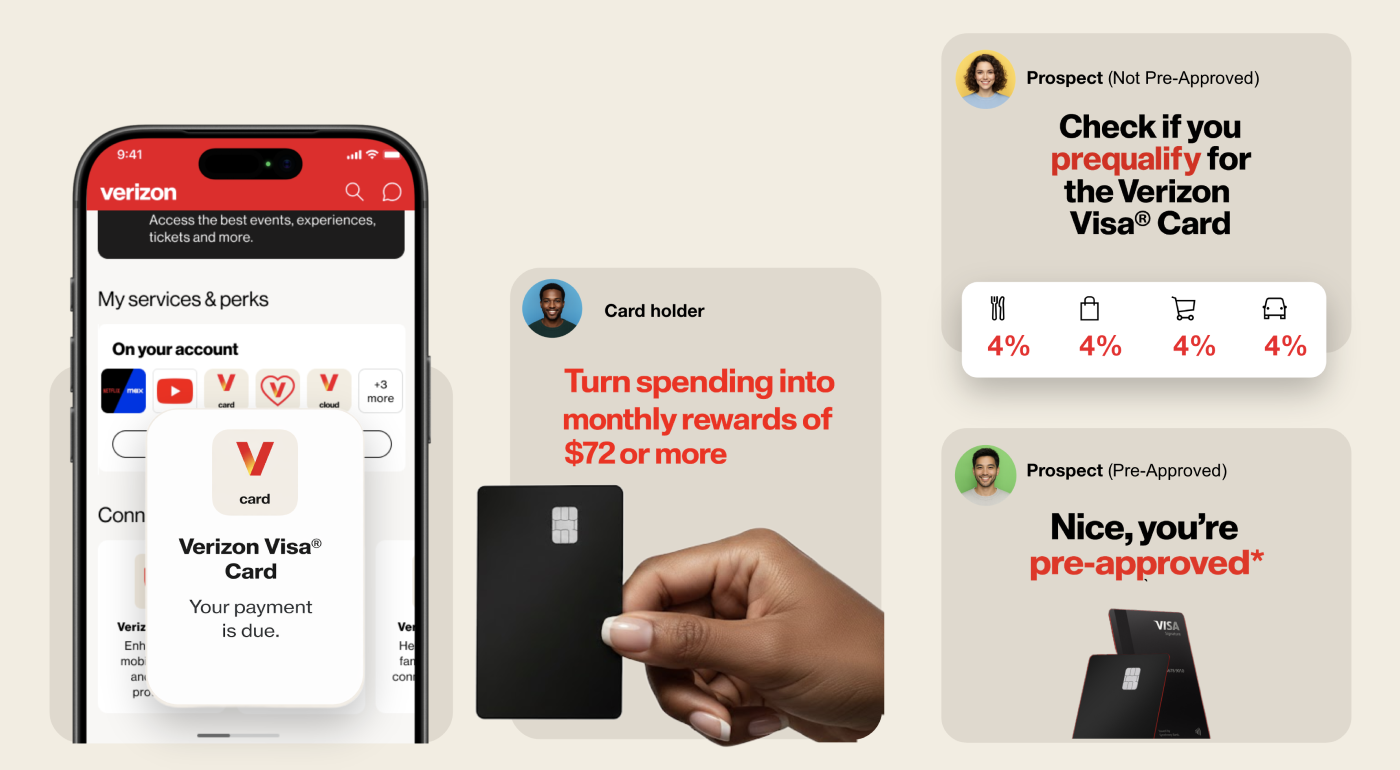
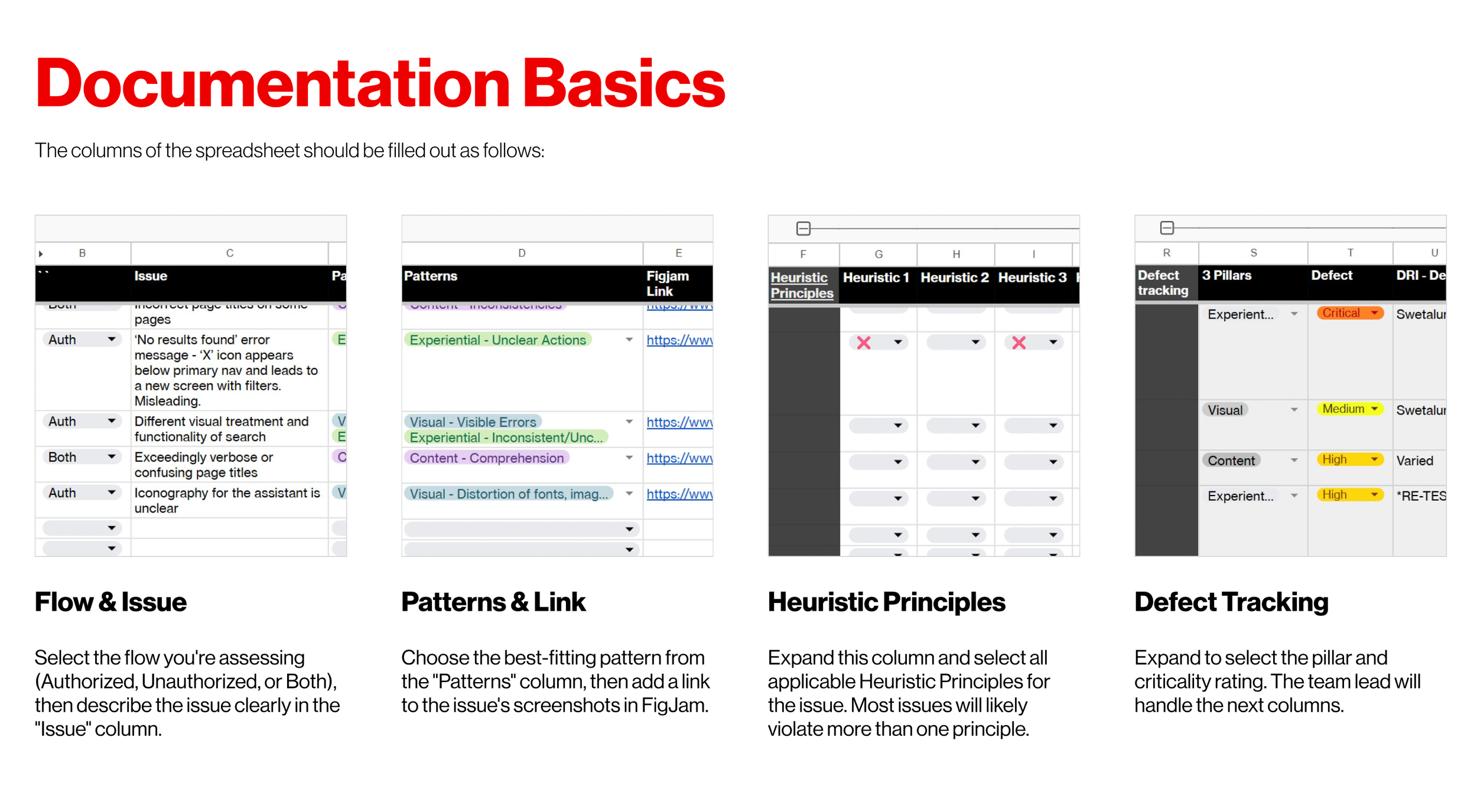
Reframed the problem from an engagement gap to a value clarity issue. Set a three-horizon roadmap, ran a heuristic evaluation across the full cardholder journey, and rebuilt the experience around how customers actually earn, learn, and redeem.
Results
90% card activation rate. Monthly spend up 5%. Card closures down 10%. MAU up 26%
Verizon Home app | Role: Design Manager
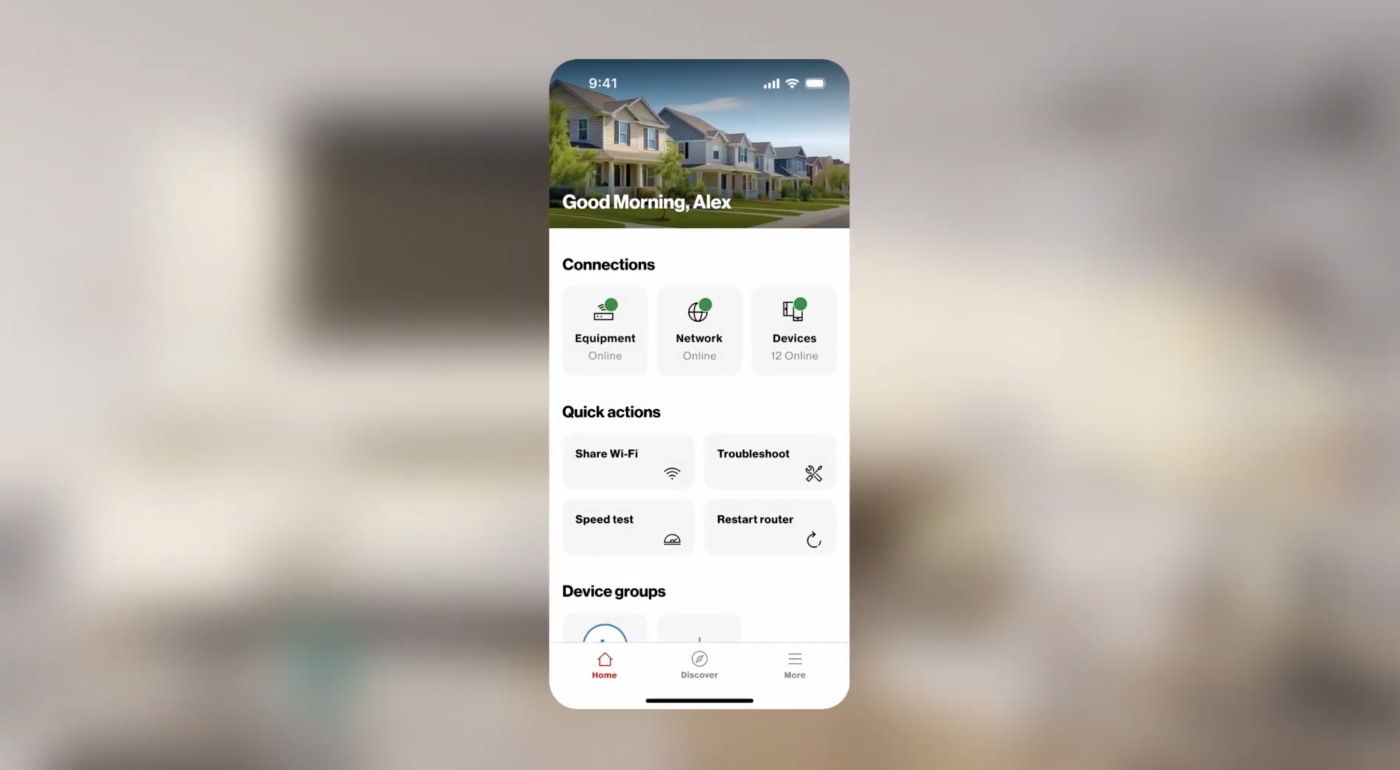
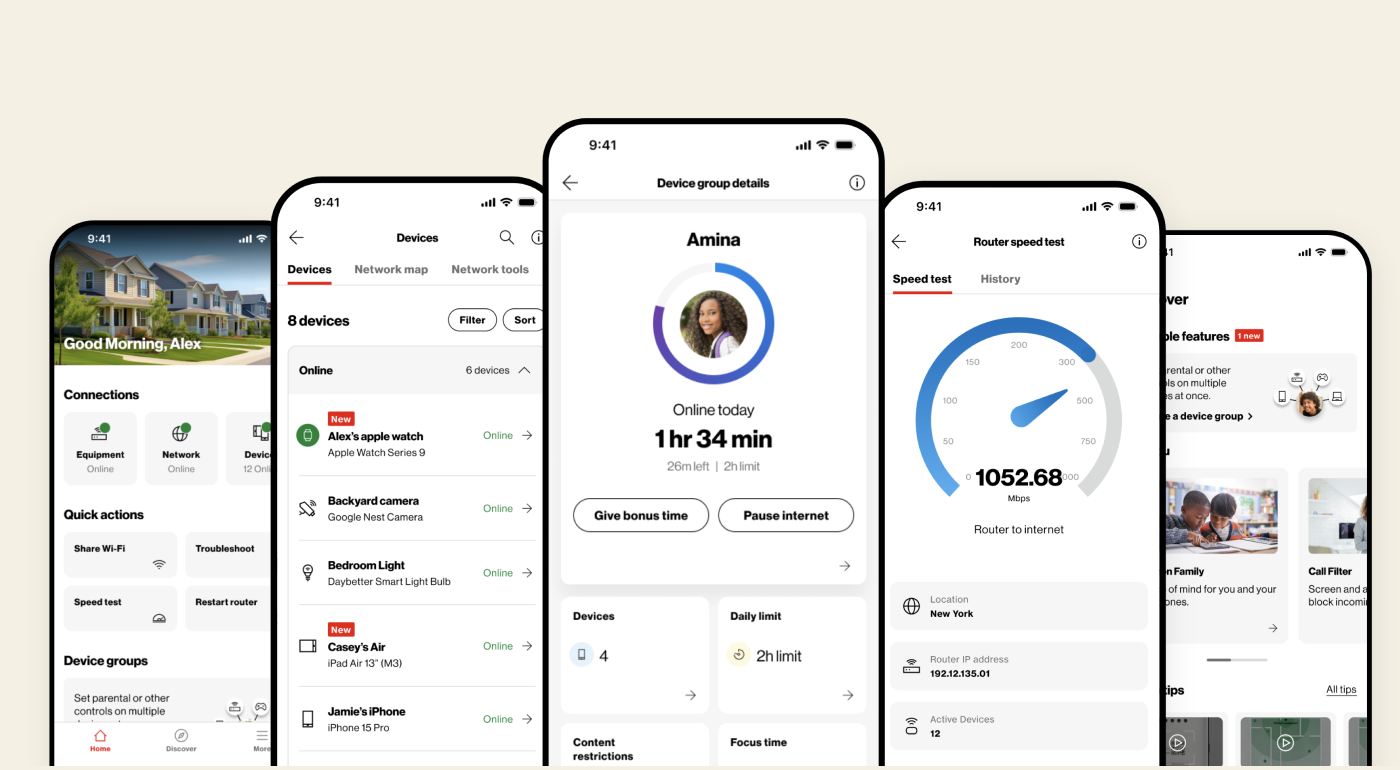
From four apps to one home
Challenge
In 2024, 16 million households were managing their home network across four separate apps. Nothing connected, nothing felt simple, and there was no clear place to go when something went wrong.
Solution
Led design strategy and end-to-end launch of the Verizon Home App, consolidating four fragmented experiences into one platform built around how families actually live at home.
Results
322K monthly active users at launch. App Store rating climbed from 3.7 to 4.5 stars. 48% of users came back. Value-added services grew from 2 to 6.

Verizon Home | Role: Design Manager and Designer
Helping households build safety and security
Challenge
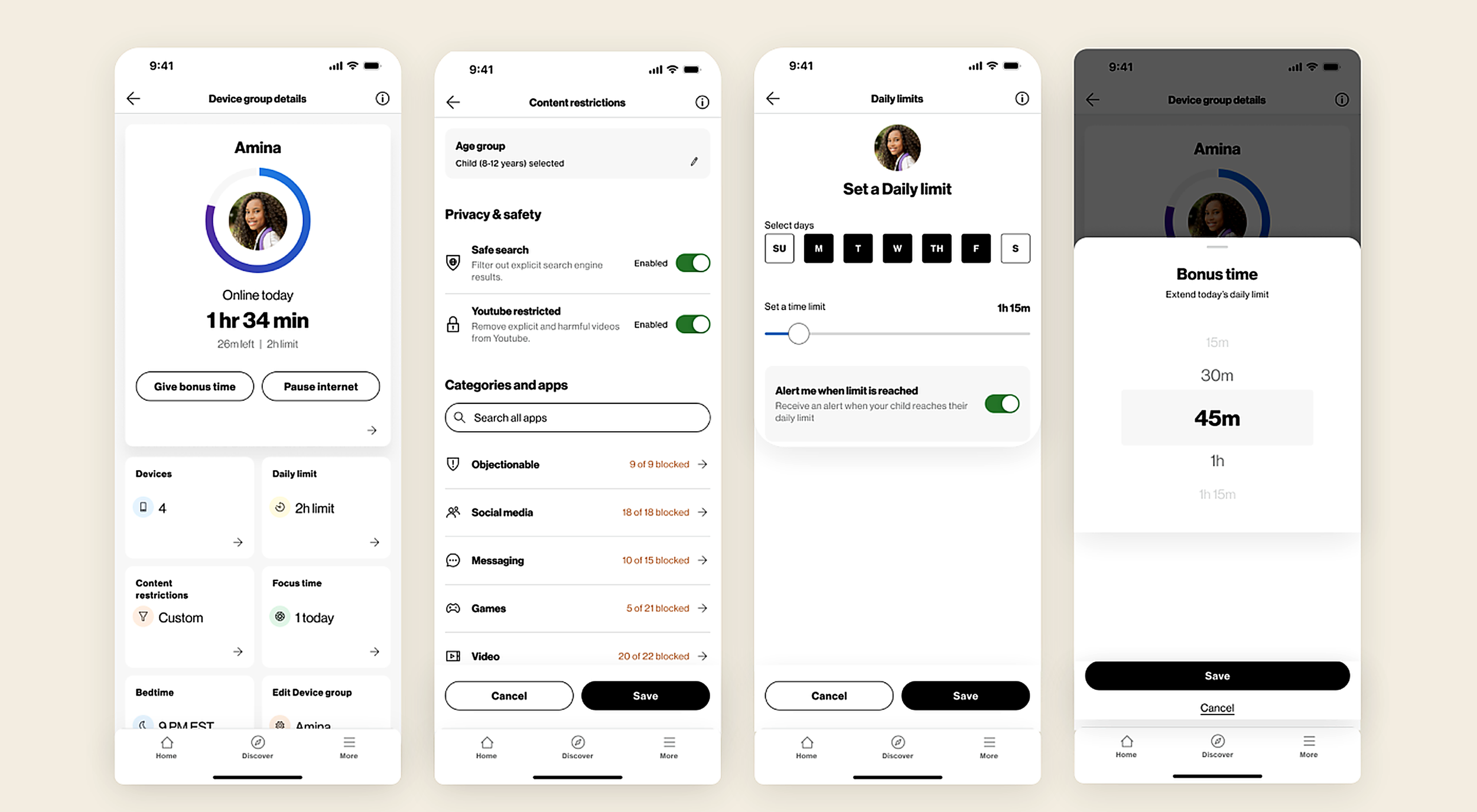
Parents wanted to manage their kids' internet access but controls were scattered across multiple apps. Finding them took more effort than it should.
Solution
Designed device grouping, downtime scheduling, and on-demand pause directly inside the Verizon Home App. Every feature was validated through multiple rounds of usability testing with real families before launch.
Results
120K parental control profiles created on day one. One of the most adopted features in the app's first release.
Verizon | Role: Lead Experience Designer
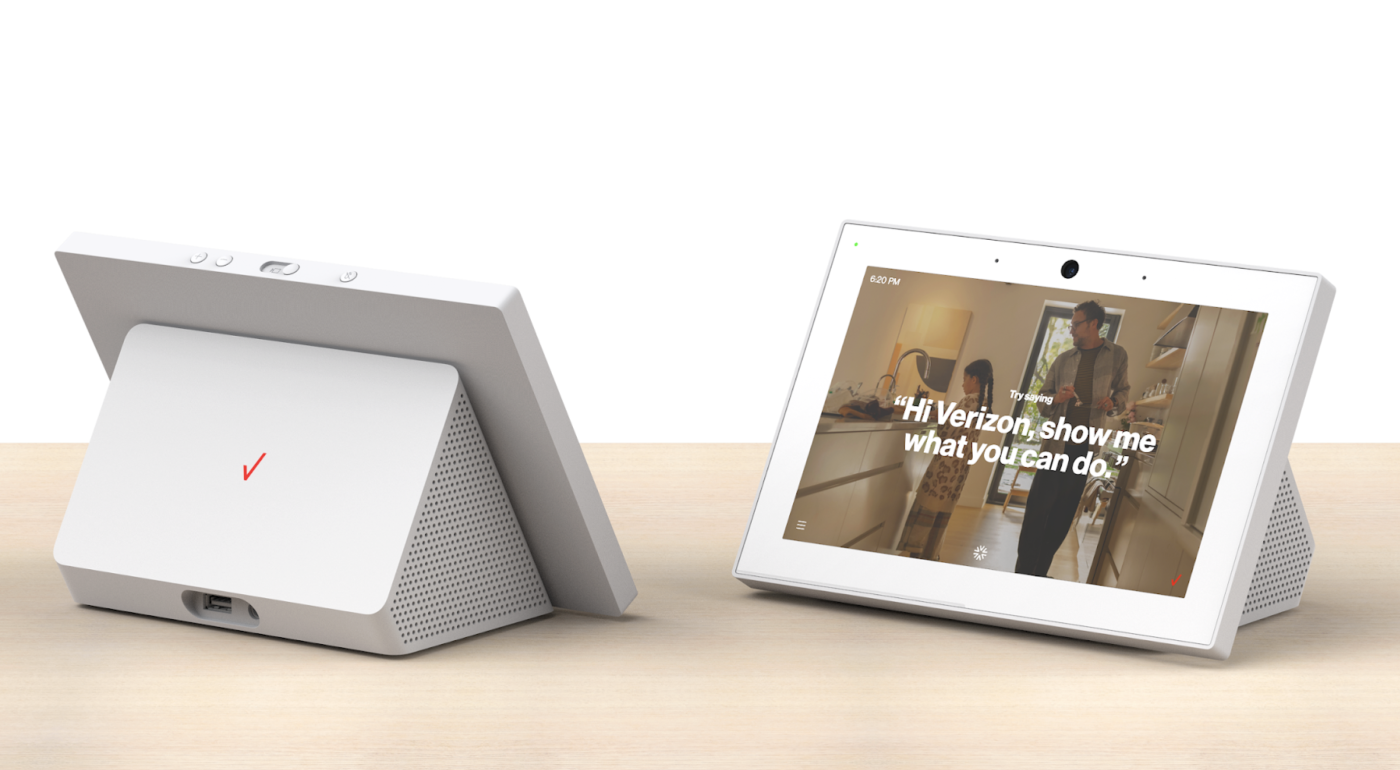
Designing for Conversational AI
Challenge
In 2020, most home internet problems ended in a support call. Costly for Verizon and frustrating for the customer. There had to be a better way.
Solution
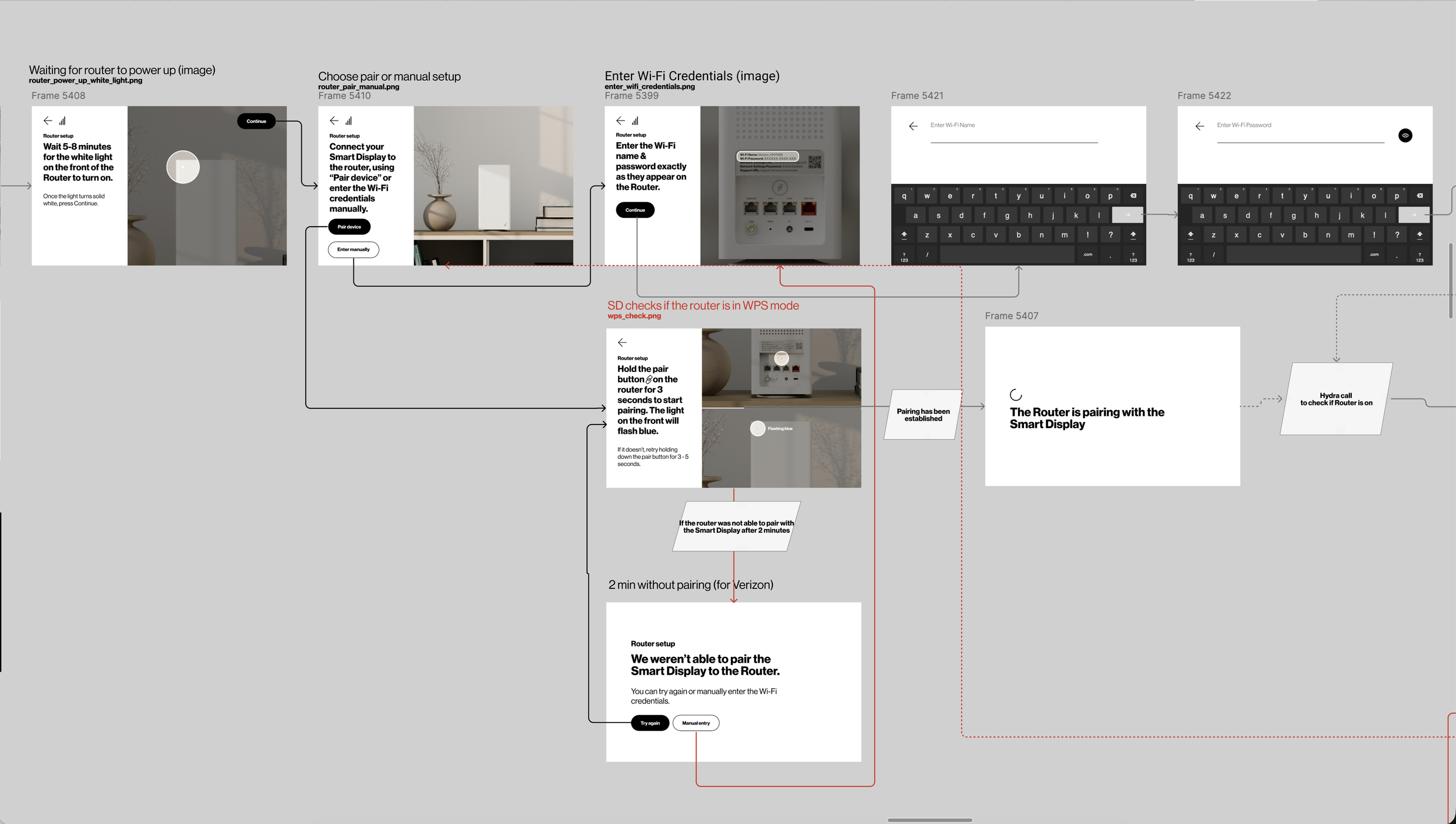
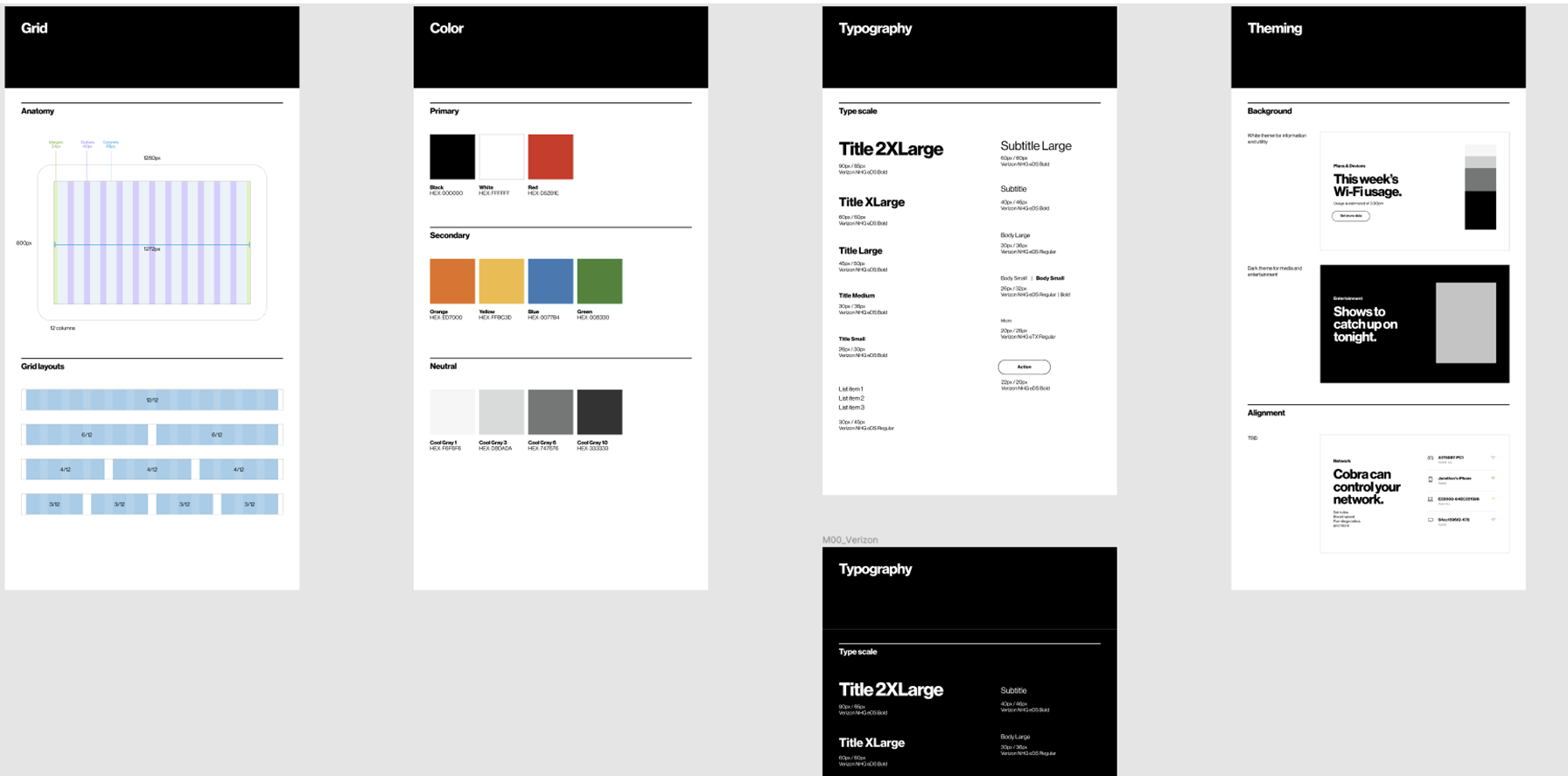
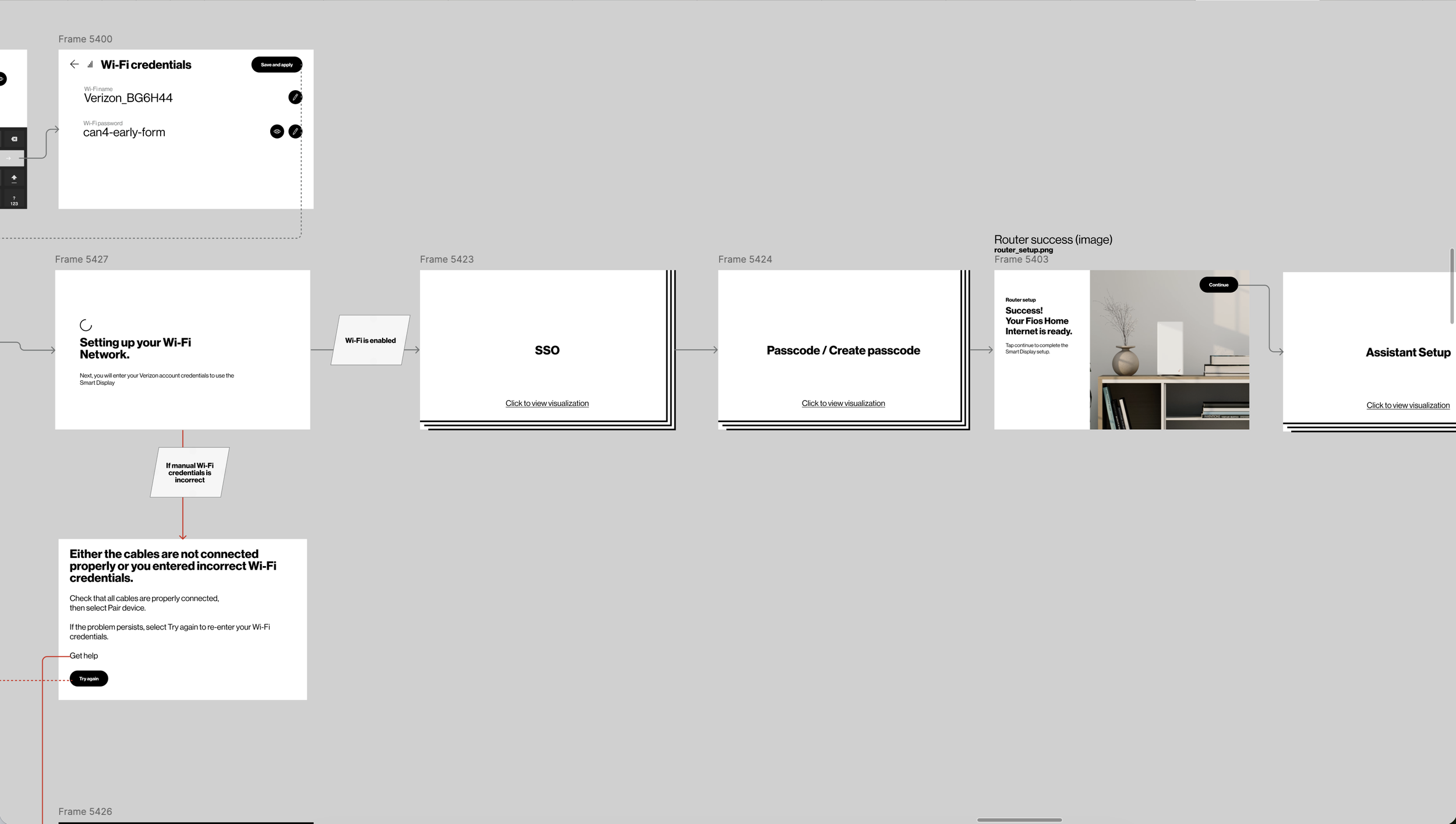
I designed as well as led a team building a conversational AI smart display combining voice, vision, and text to guide customers through setup and troubleshooting, at a time when no design patterns existed for that kind of experience.
Why It Mattered
The work pushed design and engineering into next-generation AI territory early, building the cross-functional capability and shared language the team needed to lead experiences the rest of the industry was still figuring out.

Web.com | Role: Design Manager
Building consensus and a design system
Challenge
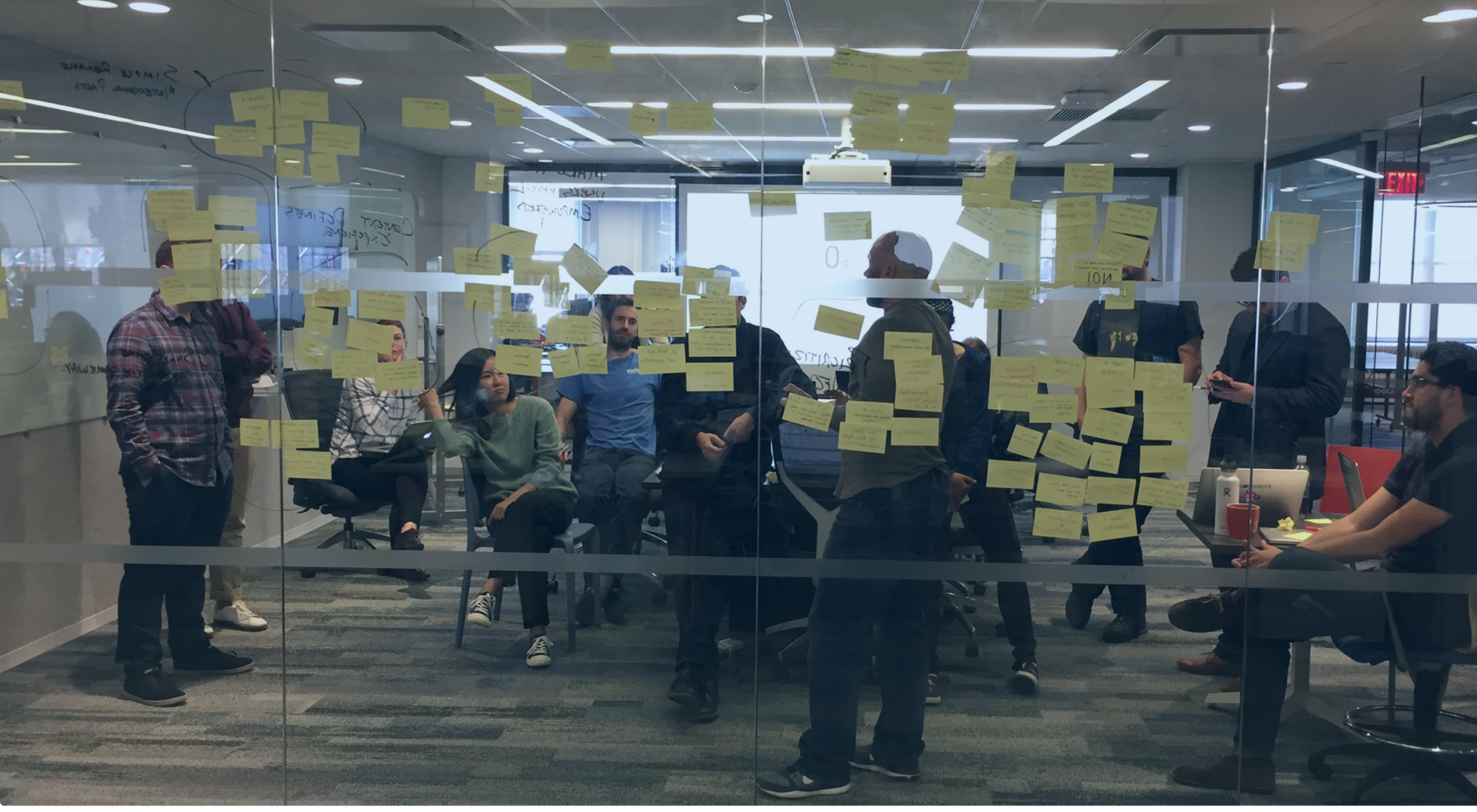
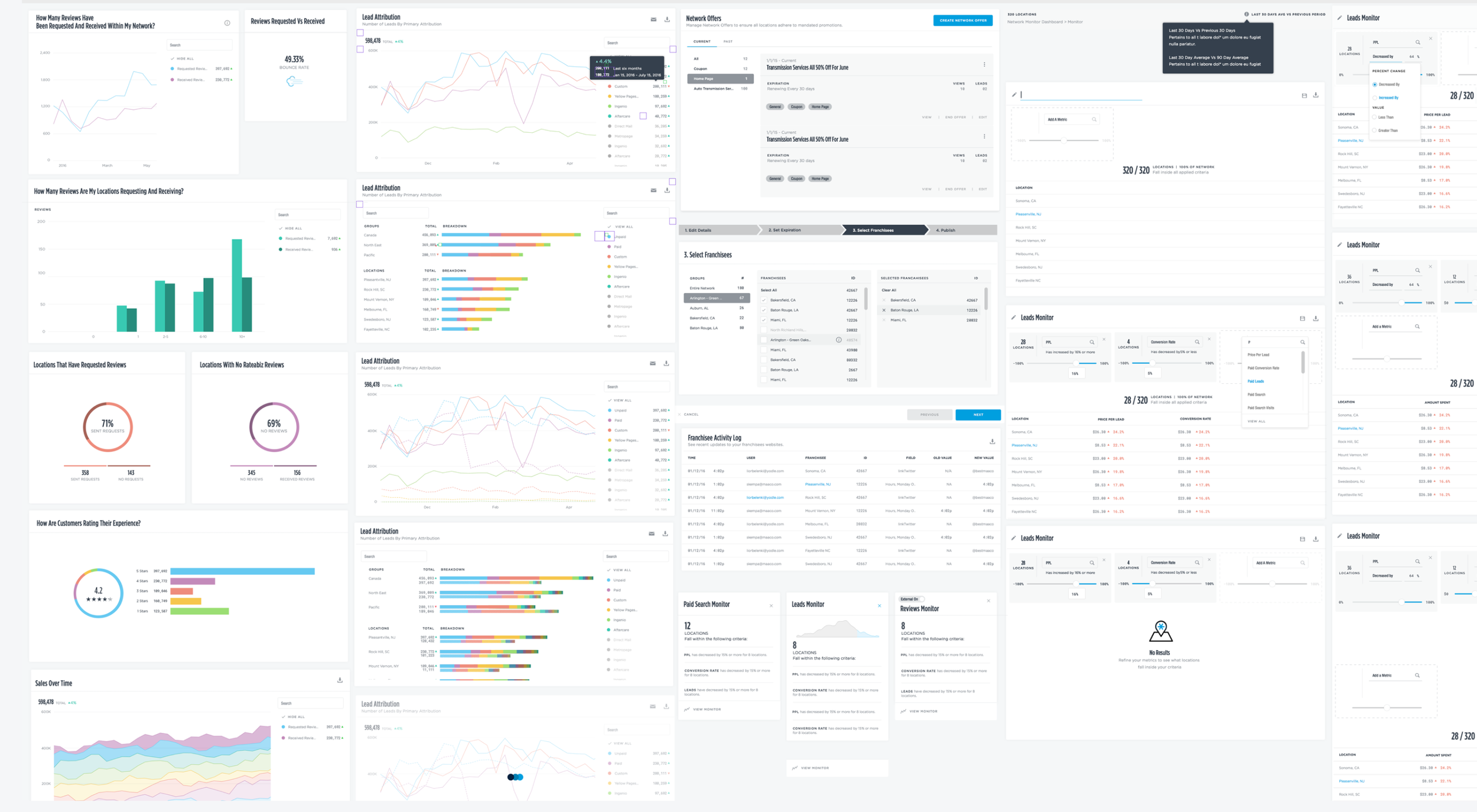
This story begins in 2016, years of acquisitions left Web.com with 15+ product teams working in different directions with no shared design foundation. A previous attempt at a design system had already failed.
Solution
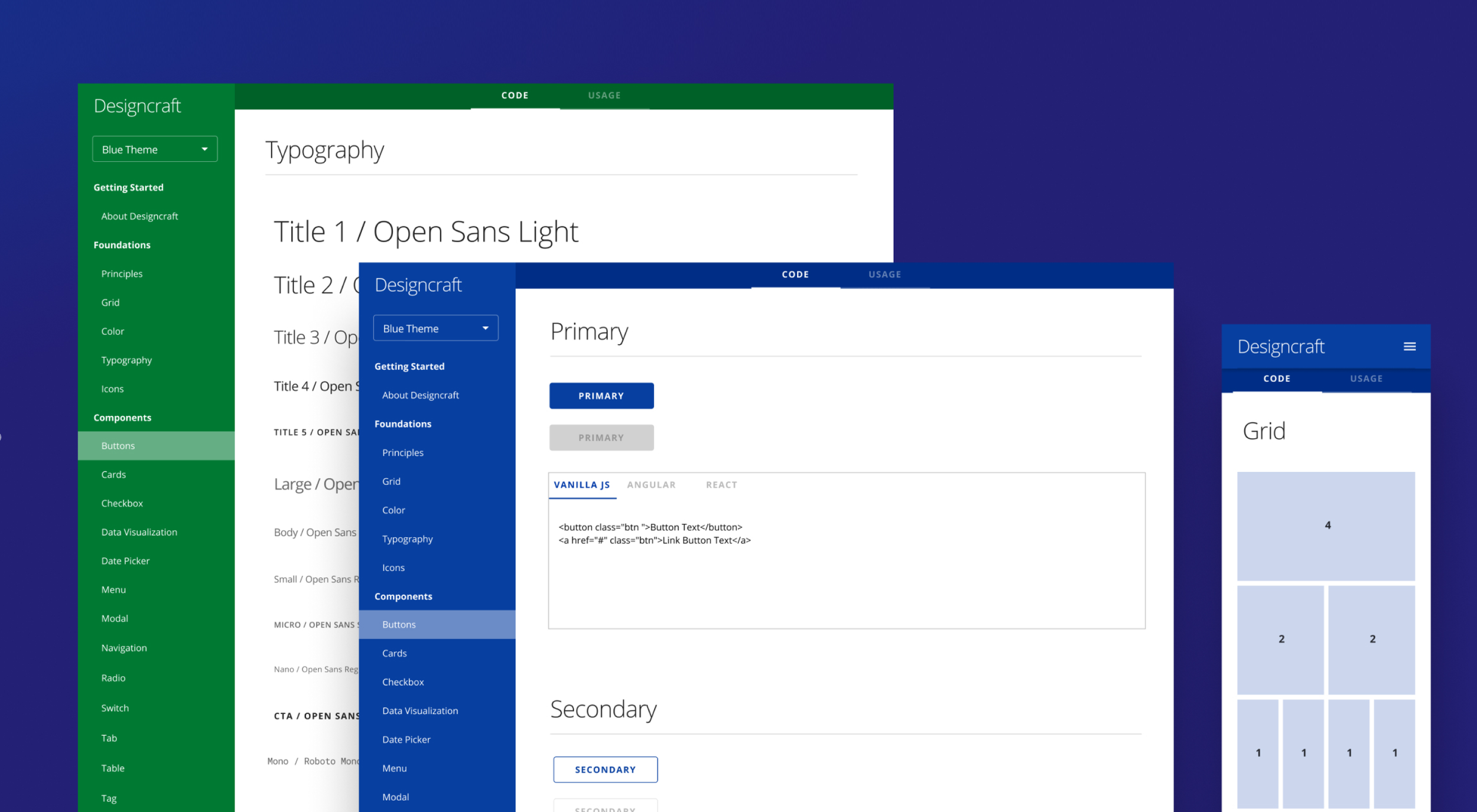
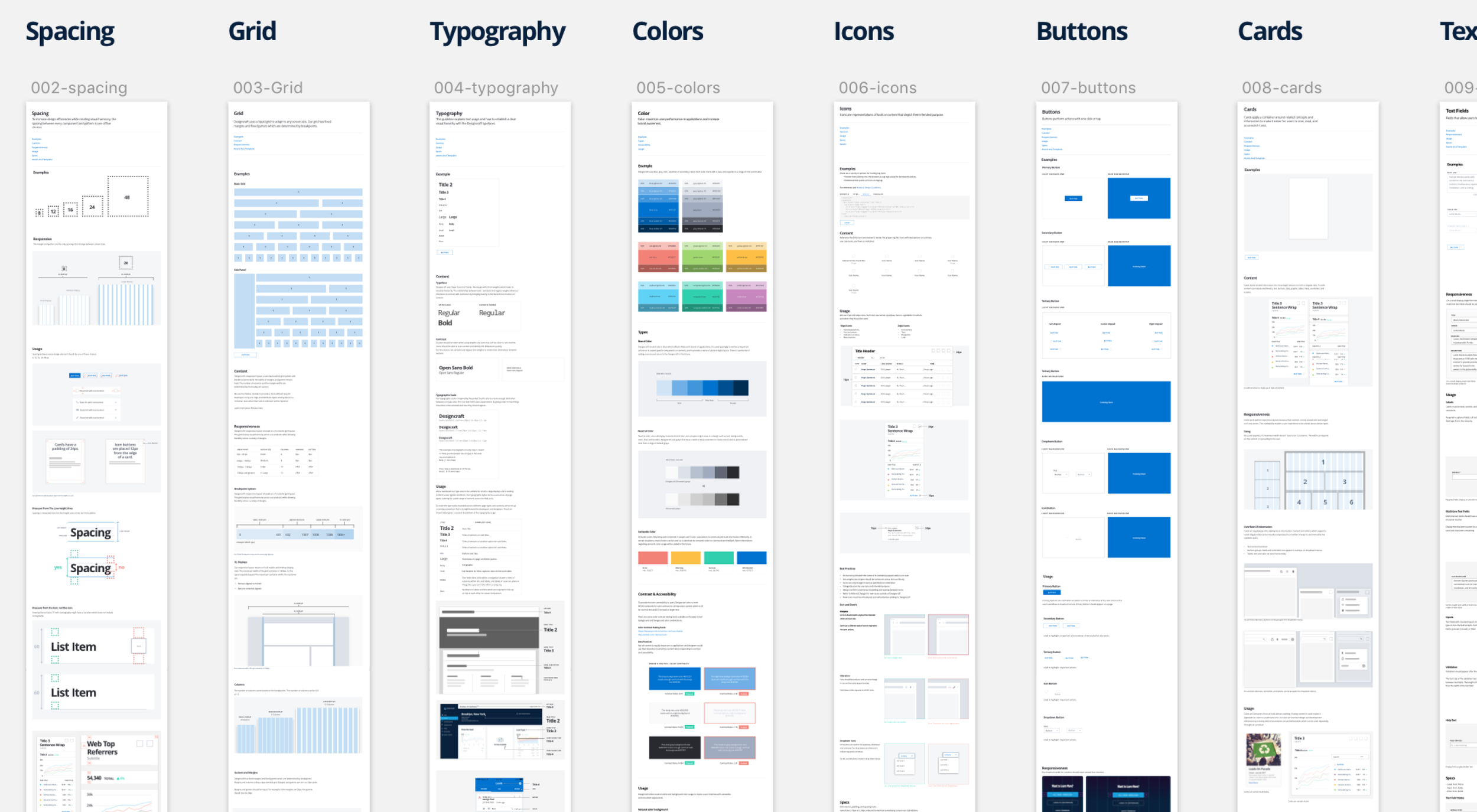
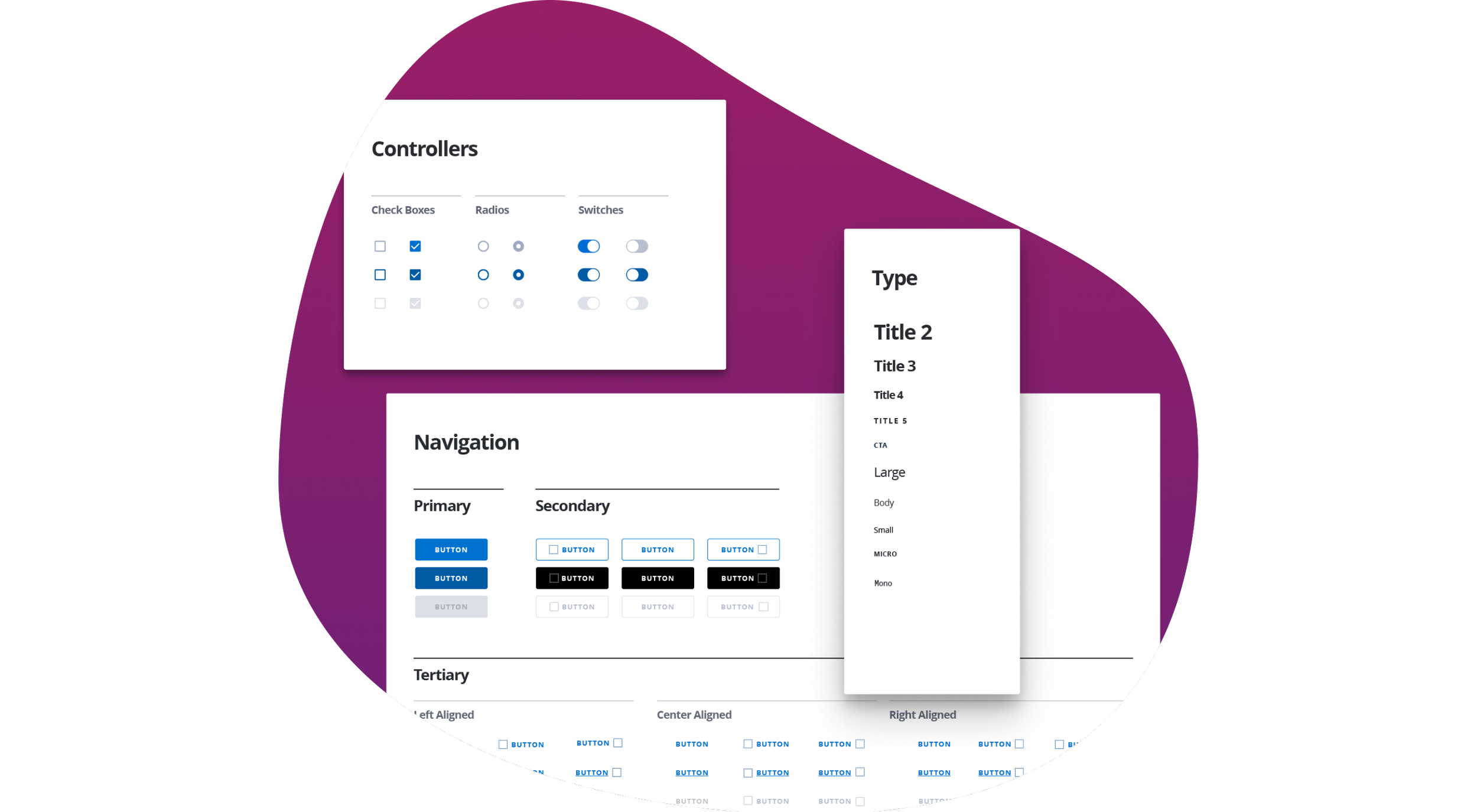
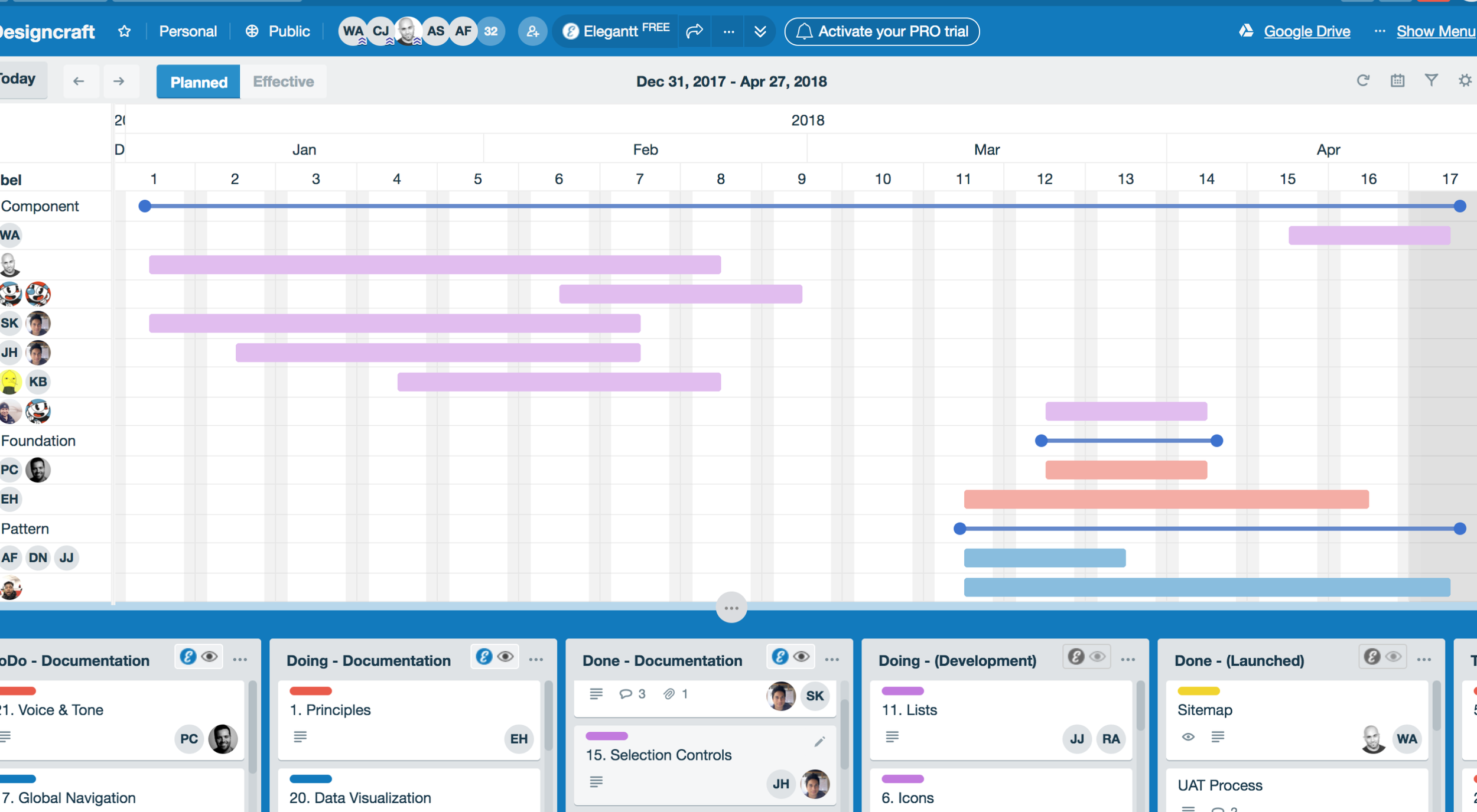
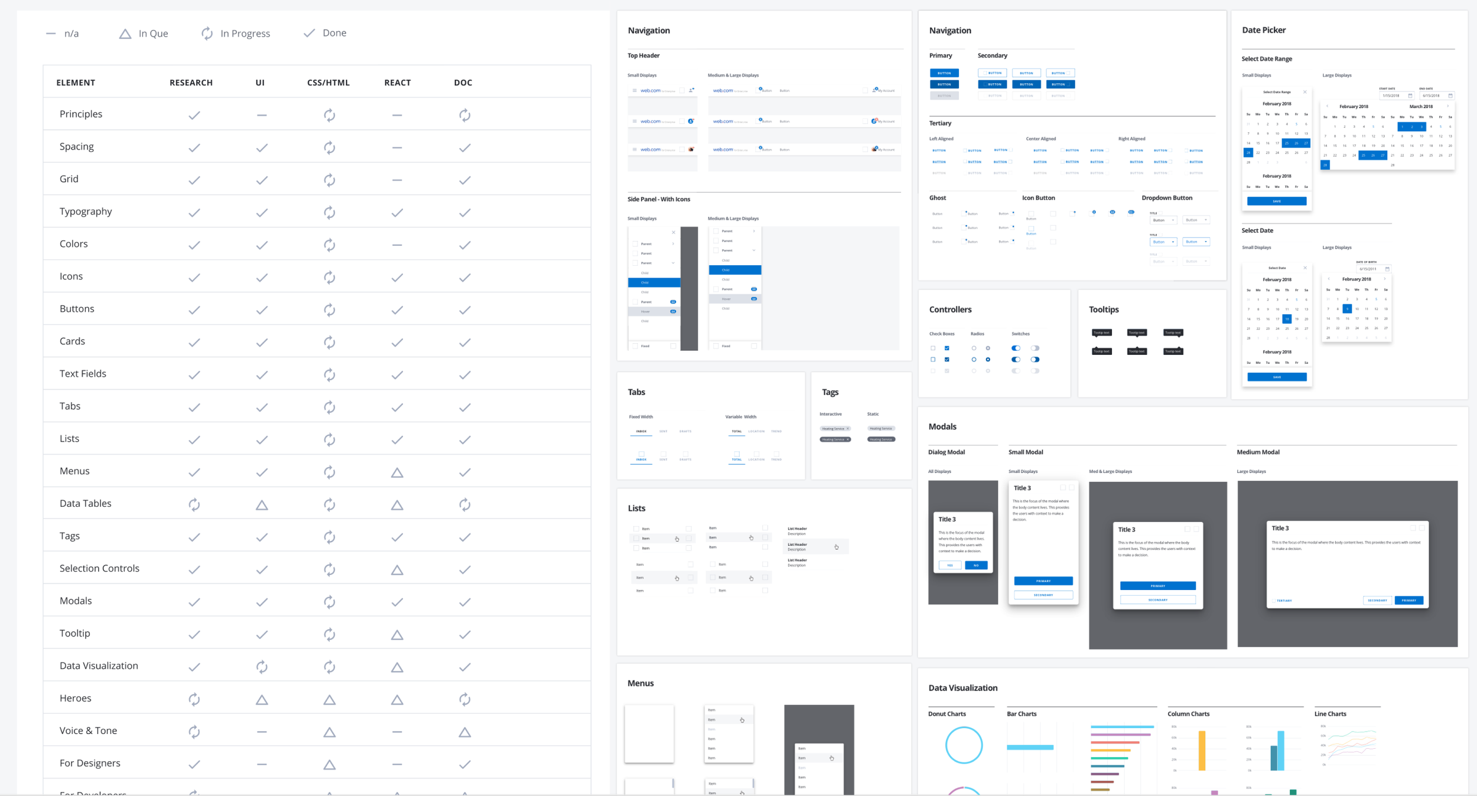
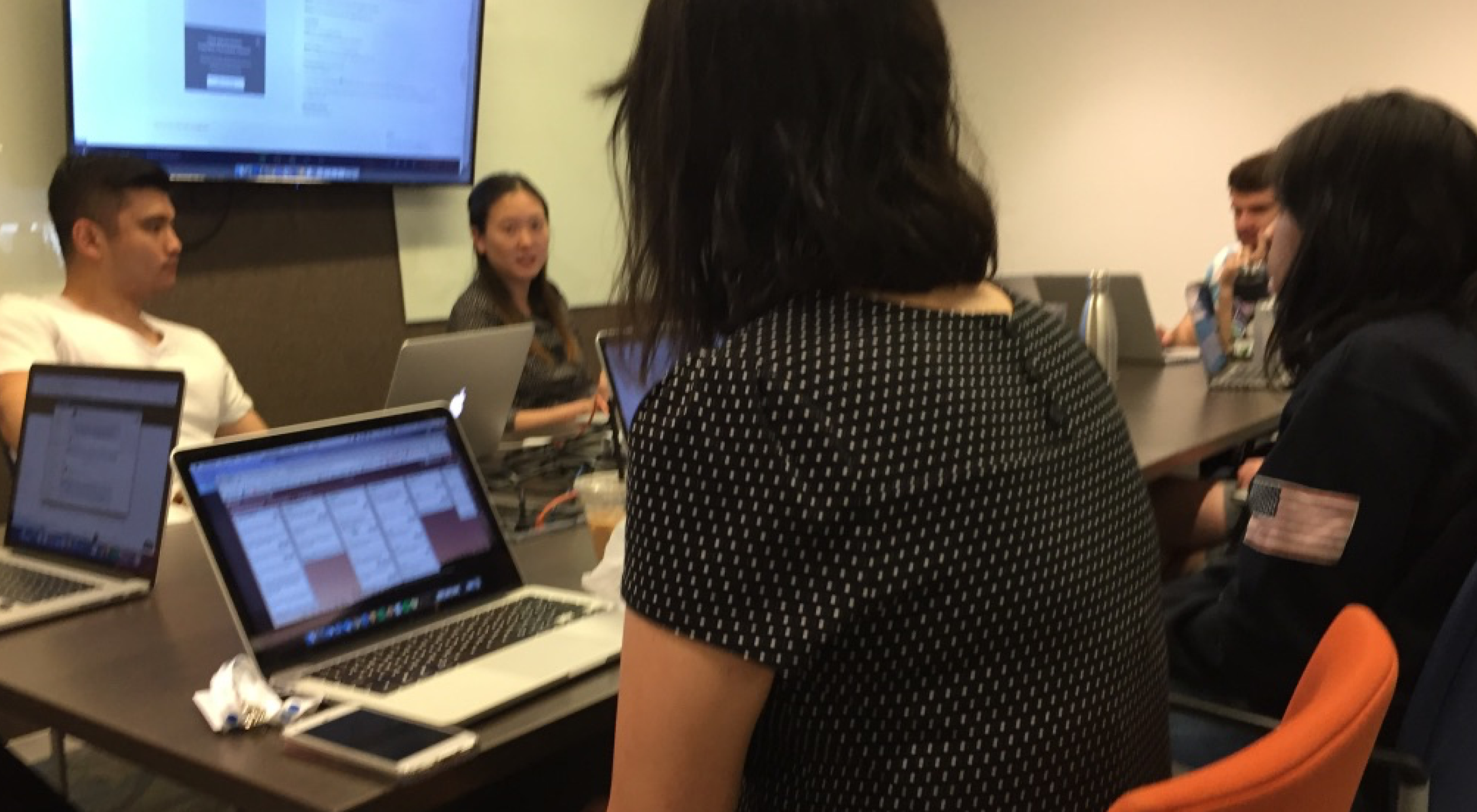
In 2018, I led a federated team of designers and developers drawn from across the company to build Designcraft, Web.com's design system, from scratch. Started by understanding why the first attempt failed, then built the organizational buy-in and the system together.
Results
Consistent design across 15+ product teams. Designers freed to focus on harder, more meaningful problems. A system that actually got adopted.