
I’m
Wunmi
I build alignment and guide designers through vision and craft
Open to opportunities
For 15+ years, I've helped make life easier for millions of us by shipping world-class experiences for corporate giants, agencies, and startups.
With a background spanning UX, visual design, and design systems, I lead and develop teams that build products people depend on at scale.
As an artist, I’m fascinated by how technology accelerates exploration and iteration while designers provide the judgment that shapes meaningful outcomes. I use AI to supercharge my workflow and coach designers to do the same, knowing the learning goes both ways.
Works
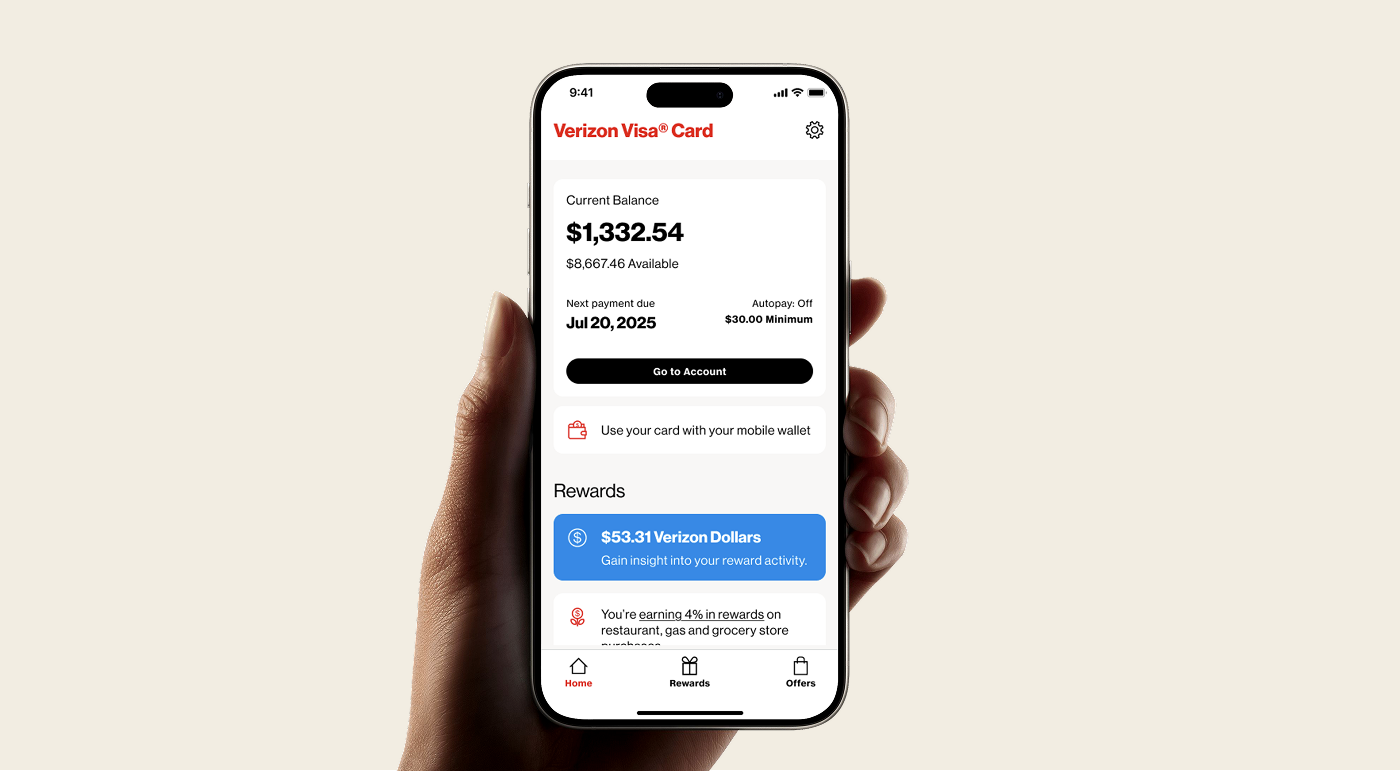
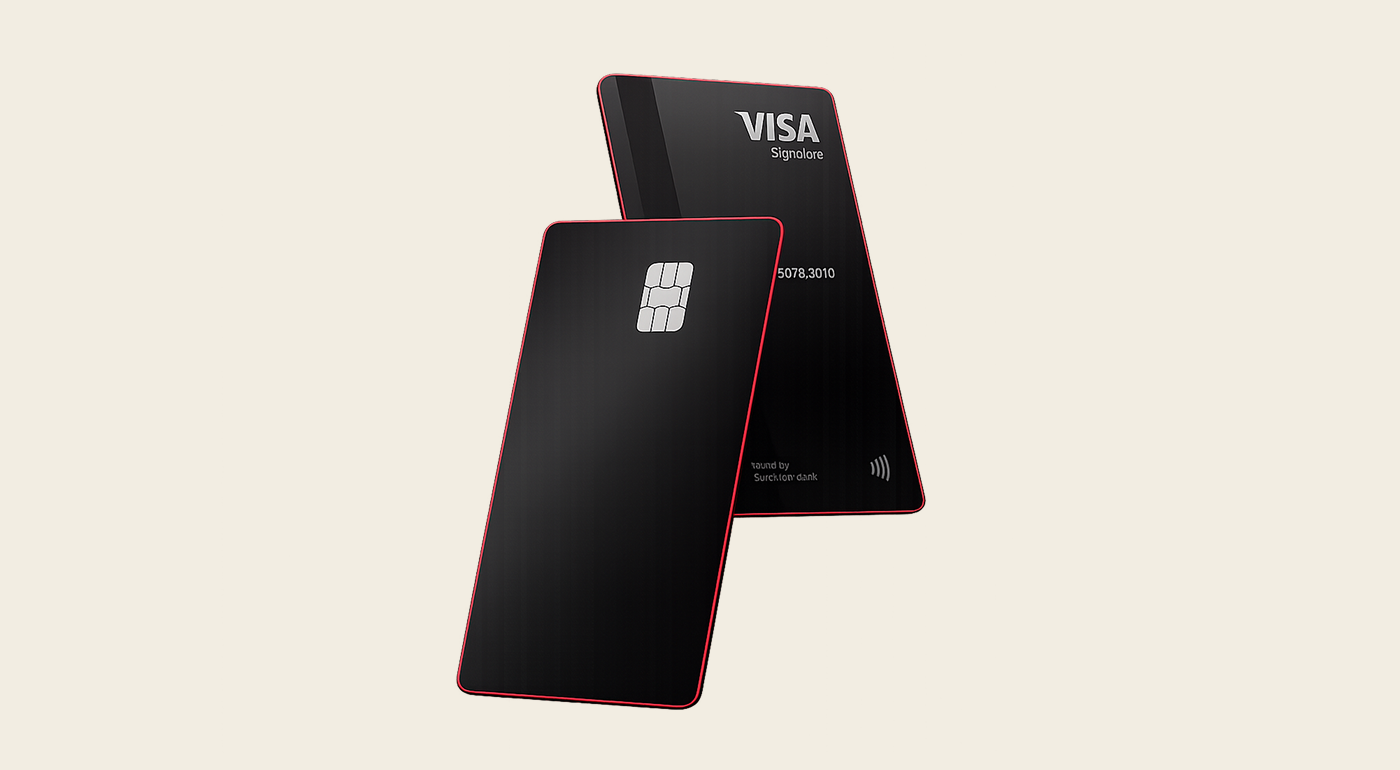
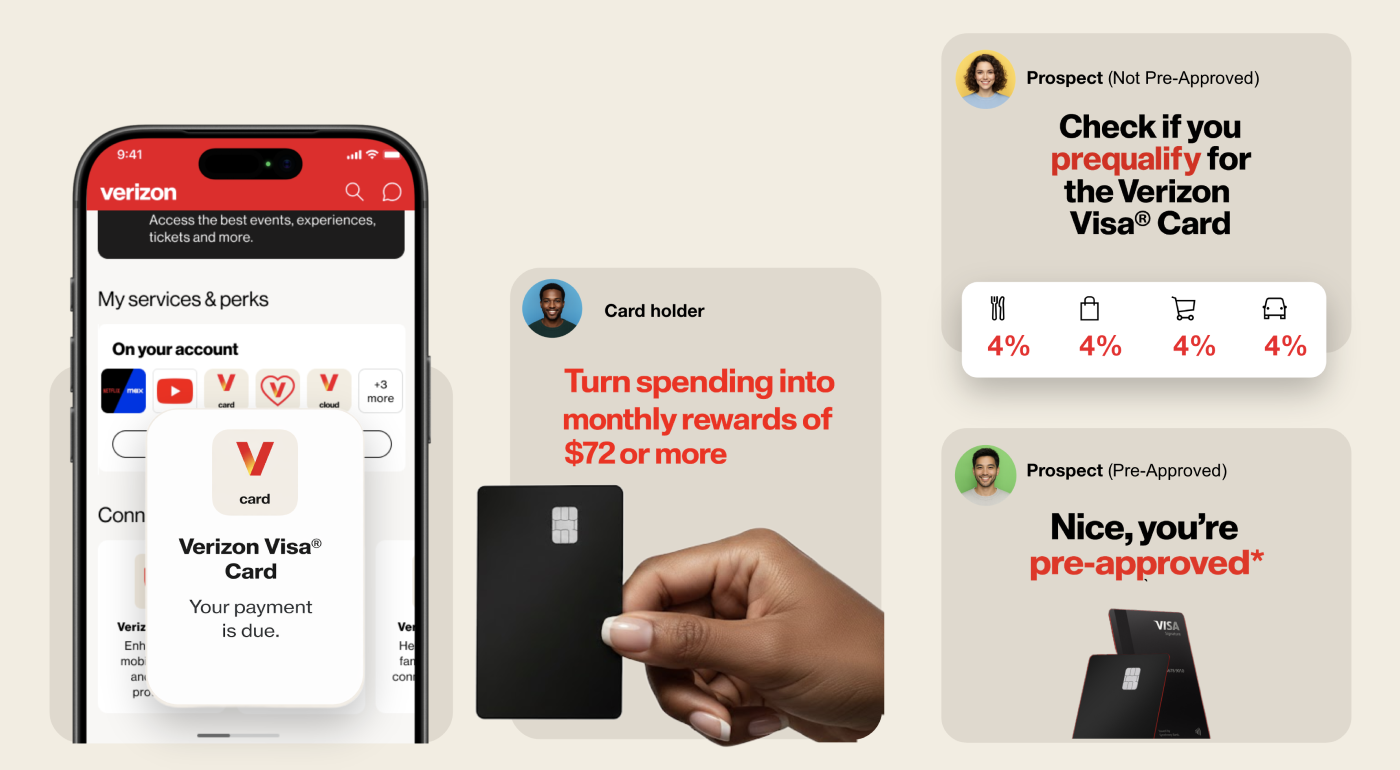
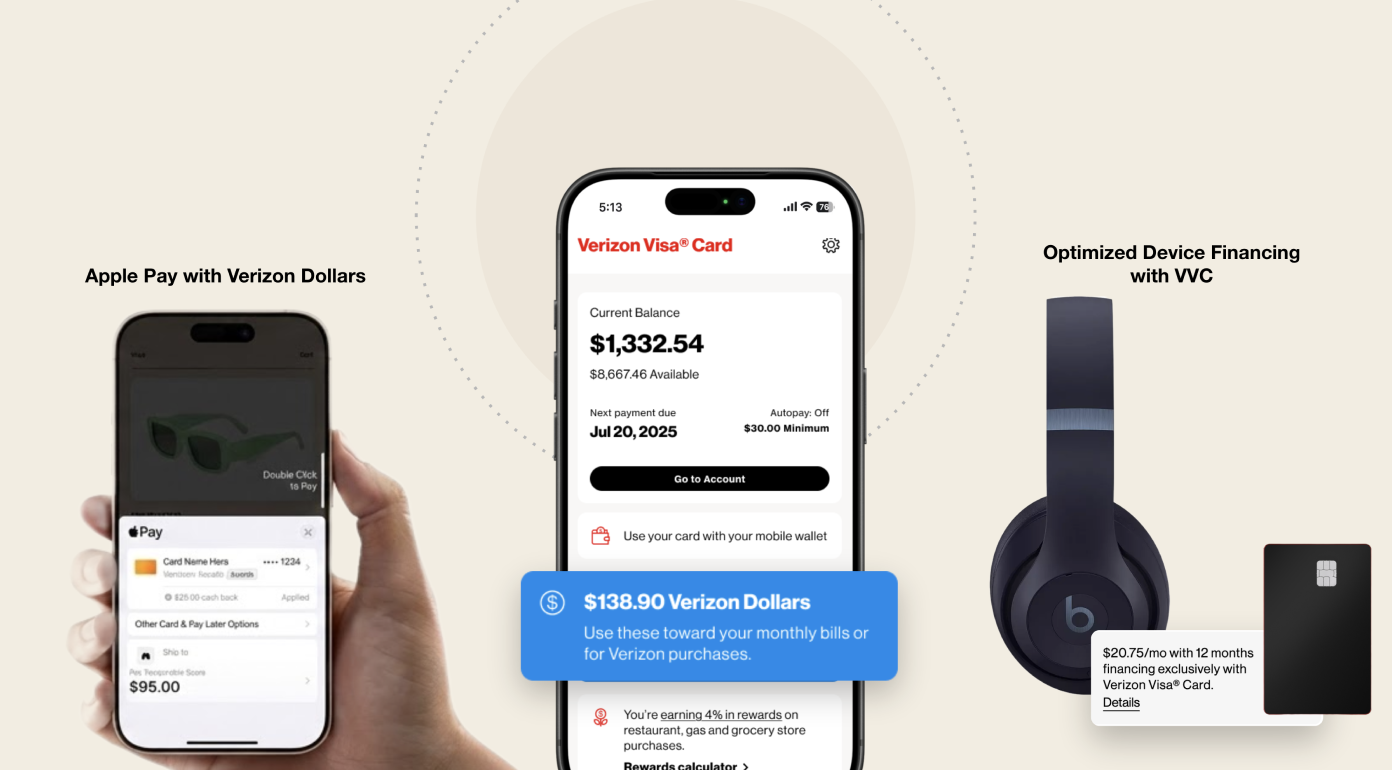
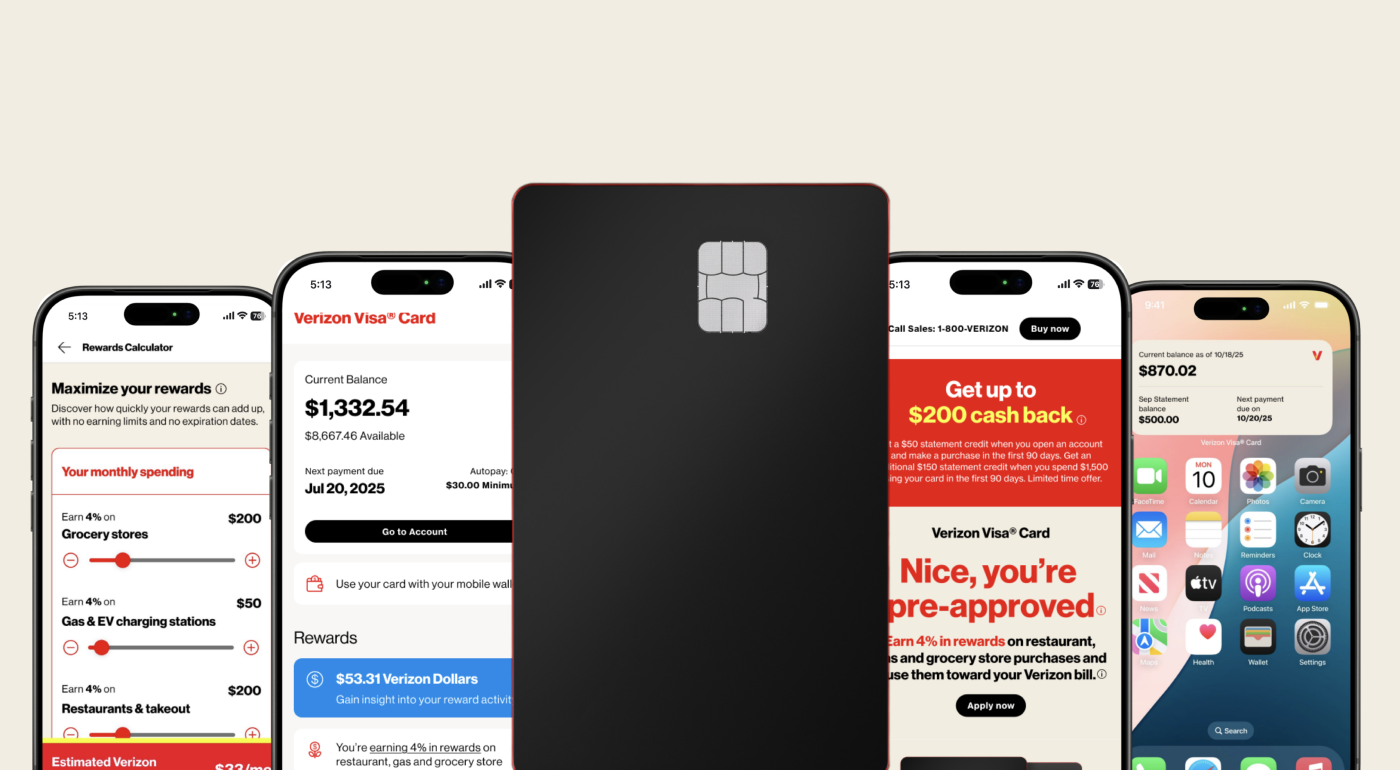
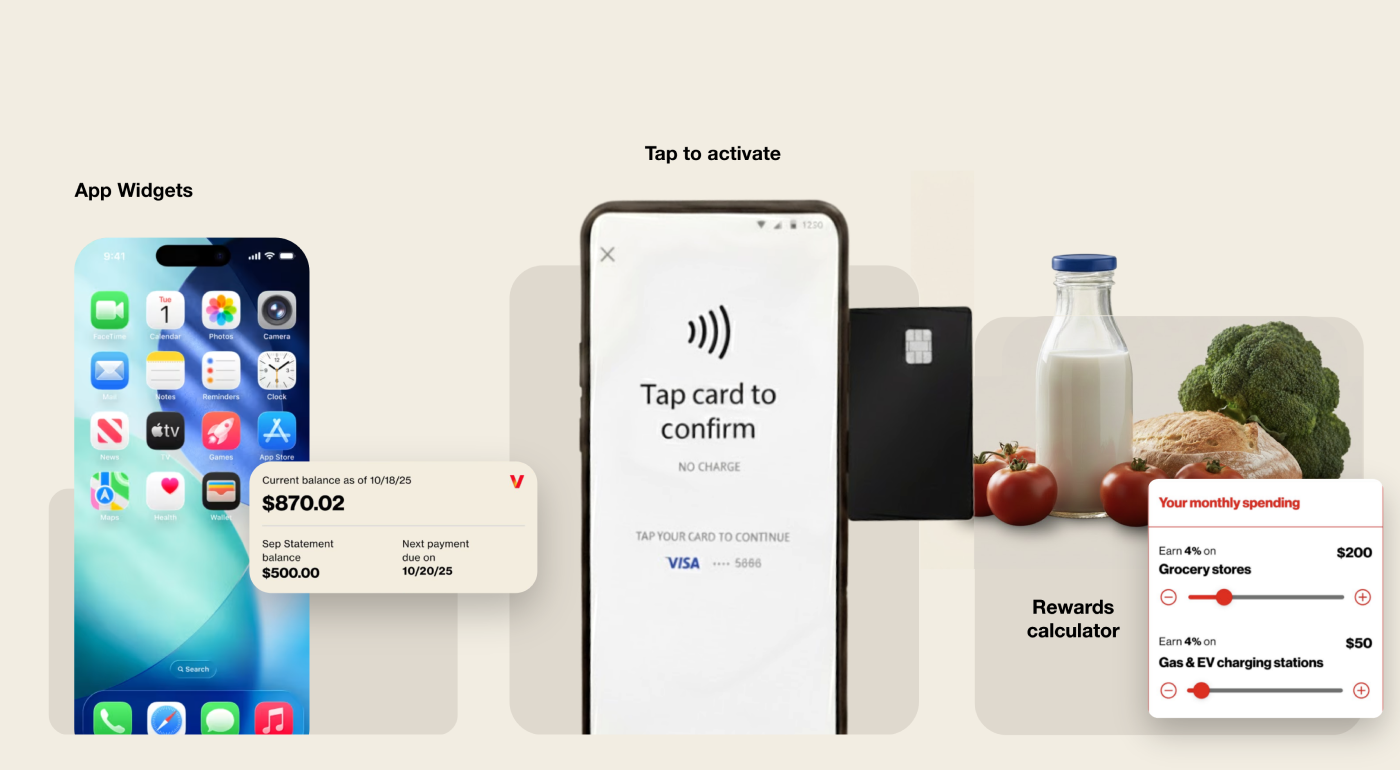
Verizon • Verizon Visa Card
Making value visible
Role
Senior Design Manager
Result
Rebuilt the financial experience around how customers actually earn, learn, and redeem, increasing MAU by26%
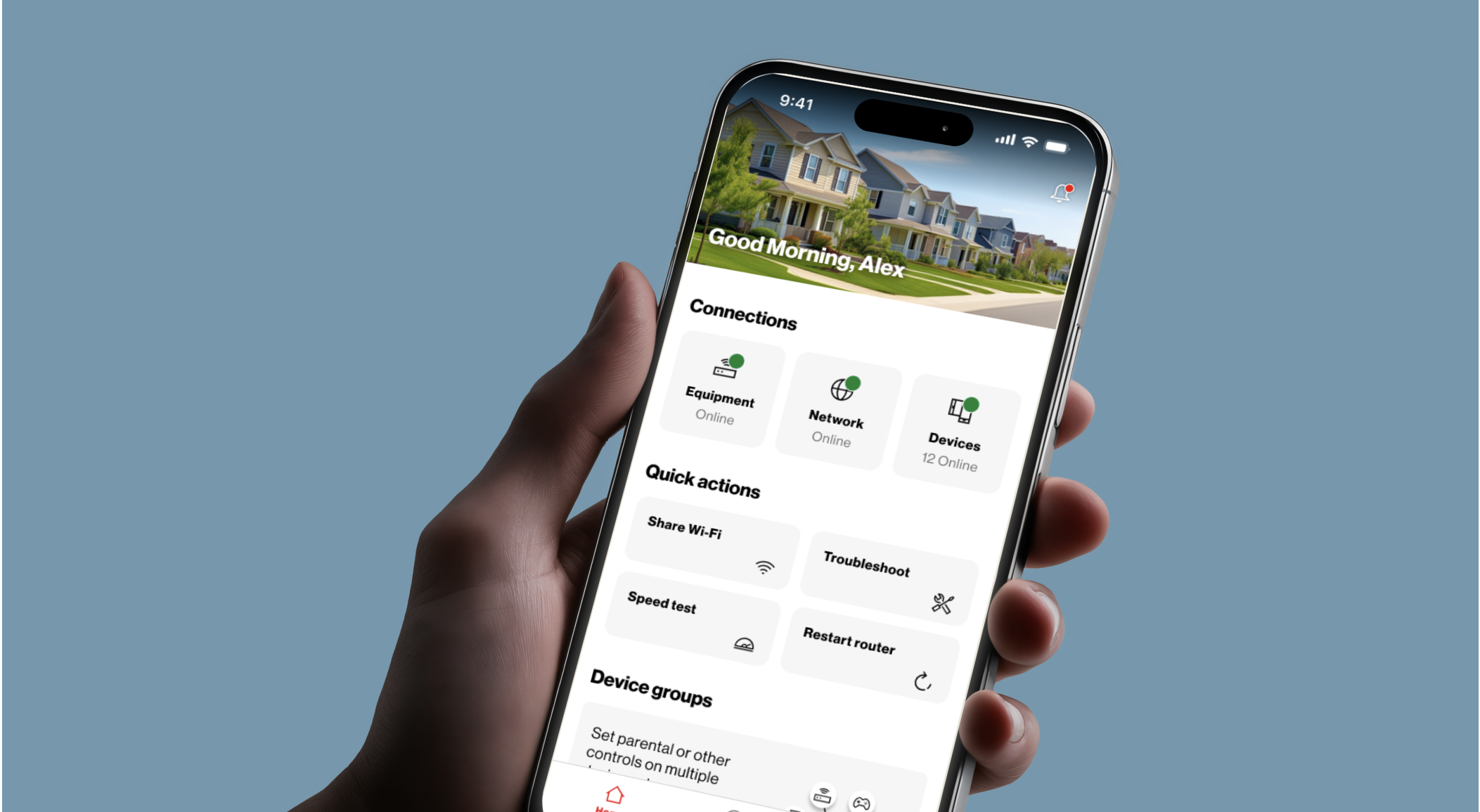
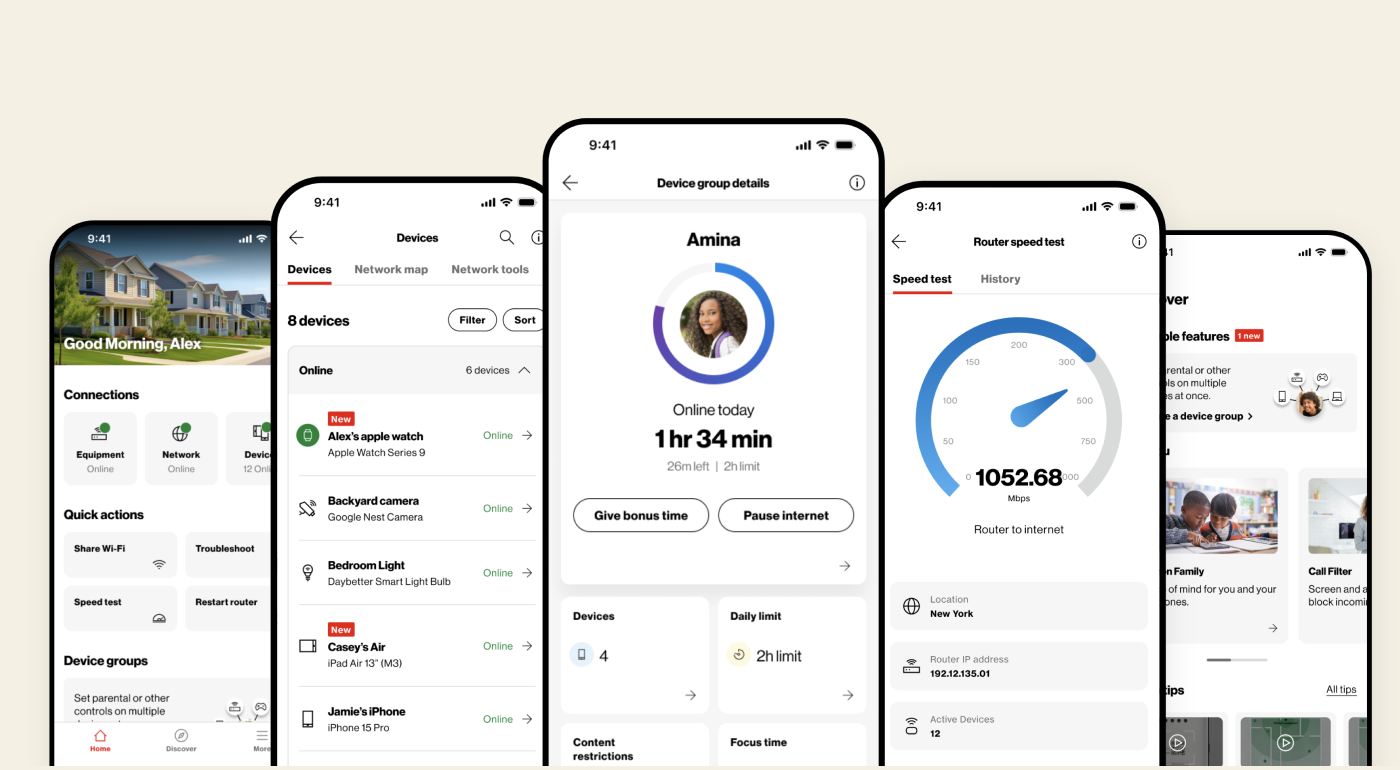
Verizon • Verizon Home app
From four apps to one home
Role
Design Manager
Results
Led design strategy and end-to-end launch of the Verizon Home App. Increasing MAU by 95%.
Verizon • Parental Controls
Helping households build safety and security
Role
Senior Design Manager & Designer
Challenge
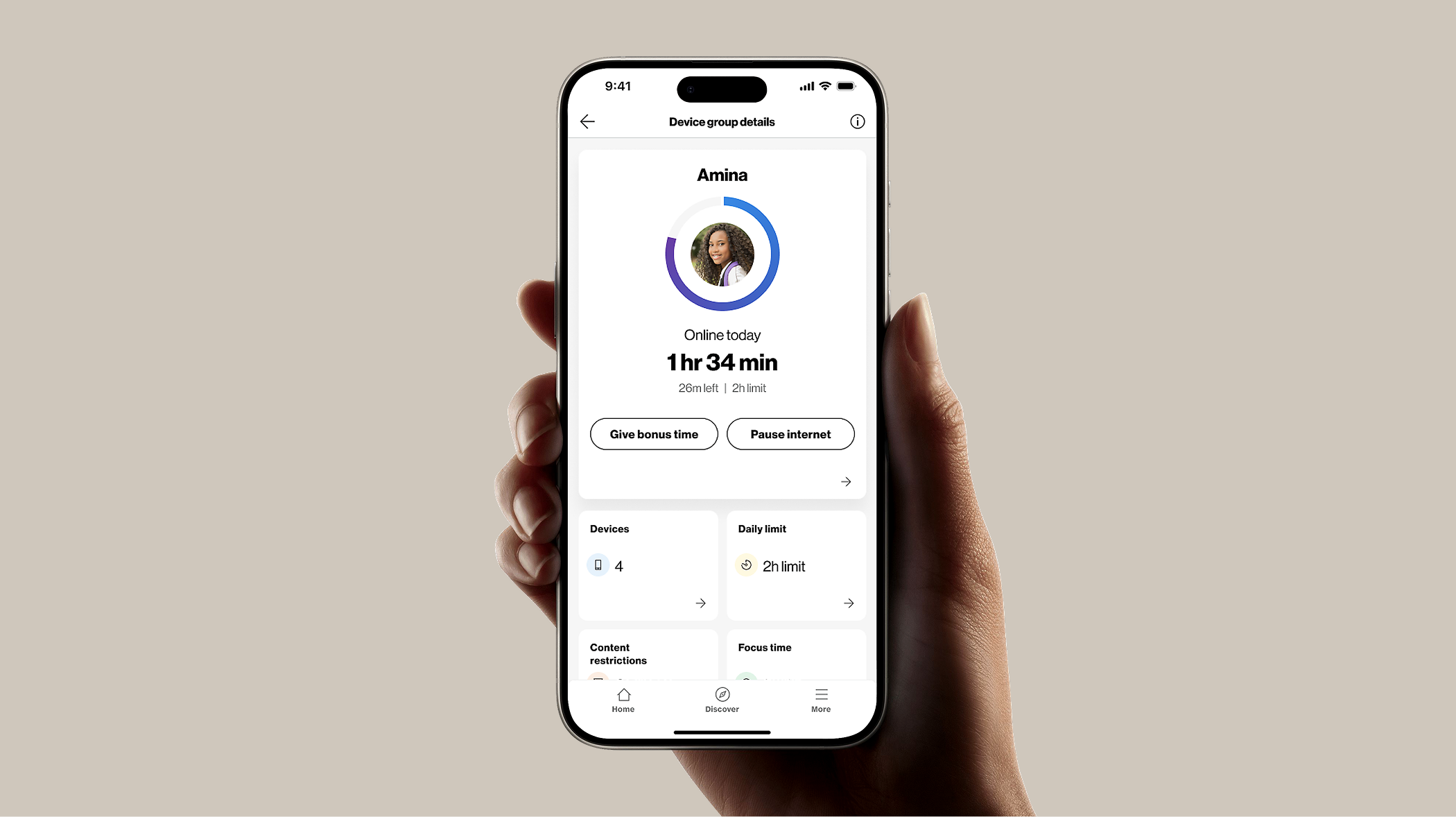
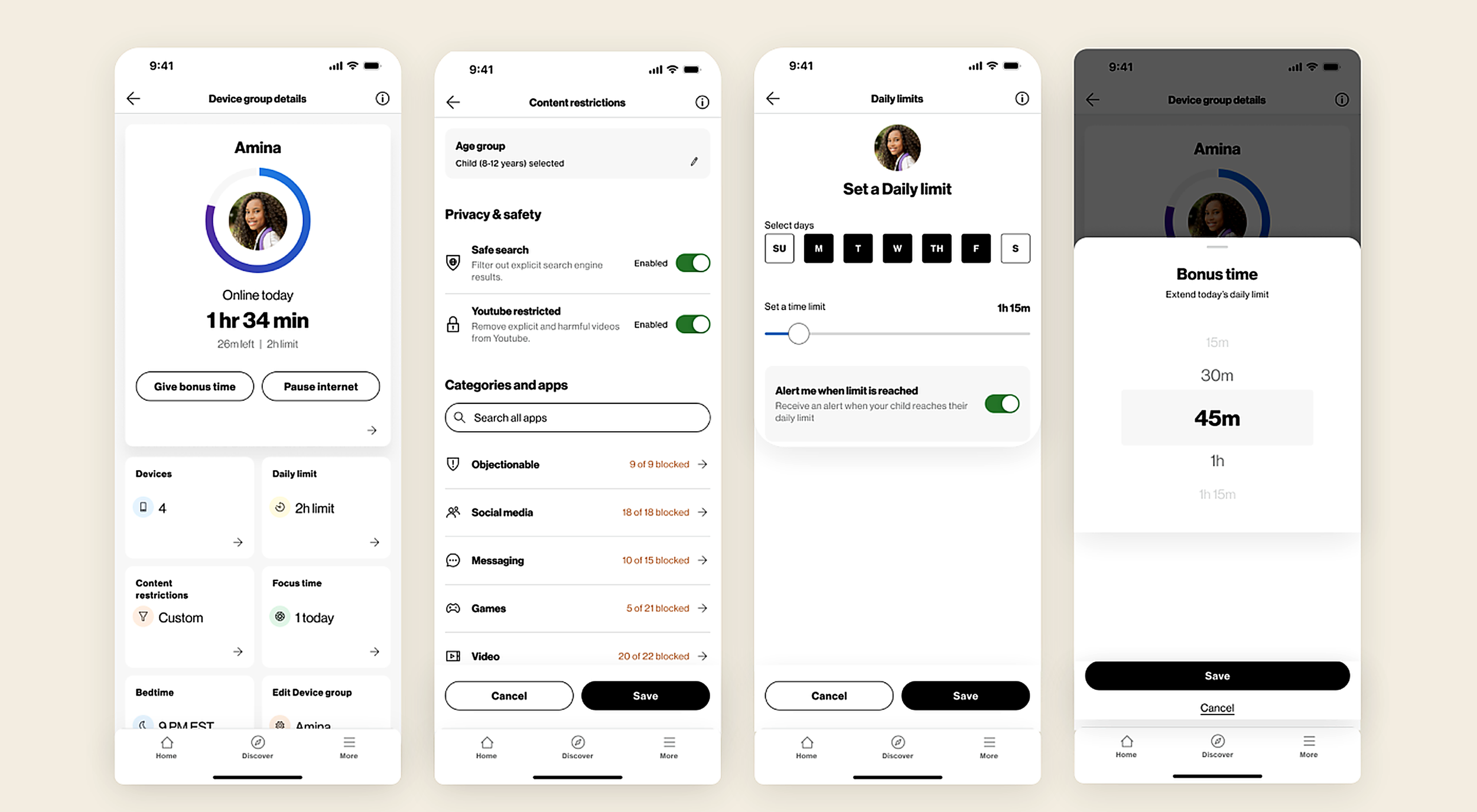
Parents wanted to manage their kids' internet access but controls were scattered across multiple apps. Finding them took more effort than it should.
Solution
Designed device grouping, downtime scheduling, and on-demand pause directly inside the Verizon Home App. Every feature was validated through multiple rounds of usability testing with real families before launch.
Results
120K parental control profiles created on day one. One of the most adopted features in the app's first release.
Verizon • Smart Display
Designing for Conversational AI
Role
Lead Experience Designer
Challenge
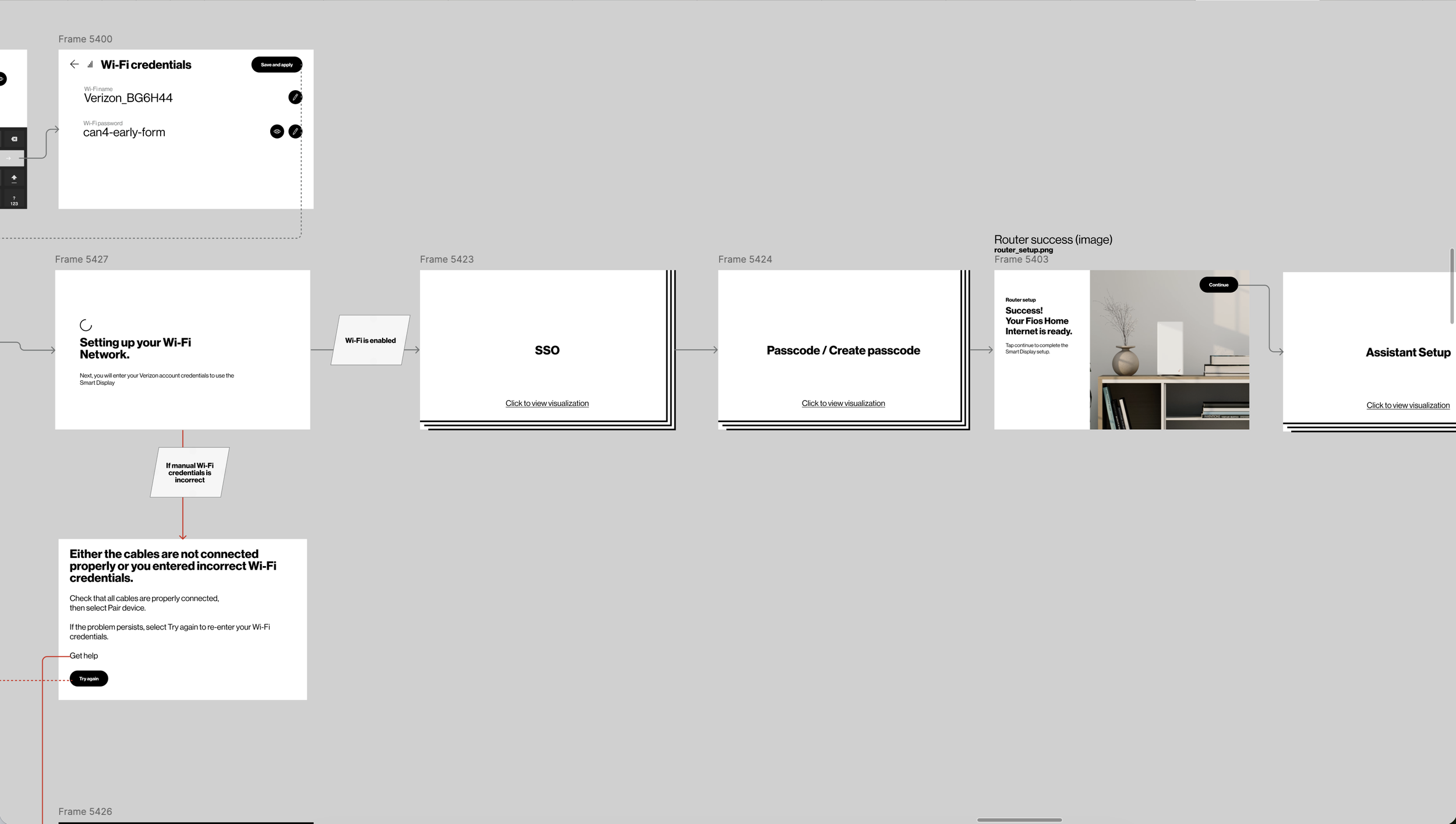
In 2020, most home internet problems ended in a support call. Costly for Verizon and frustrating for the customer. There had to be a better way.
Solution
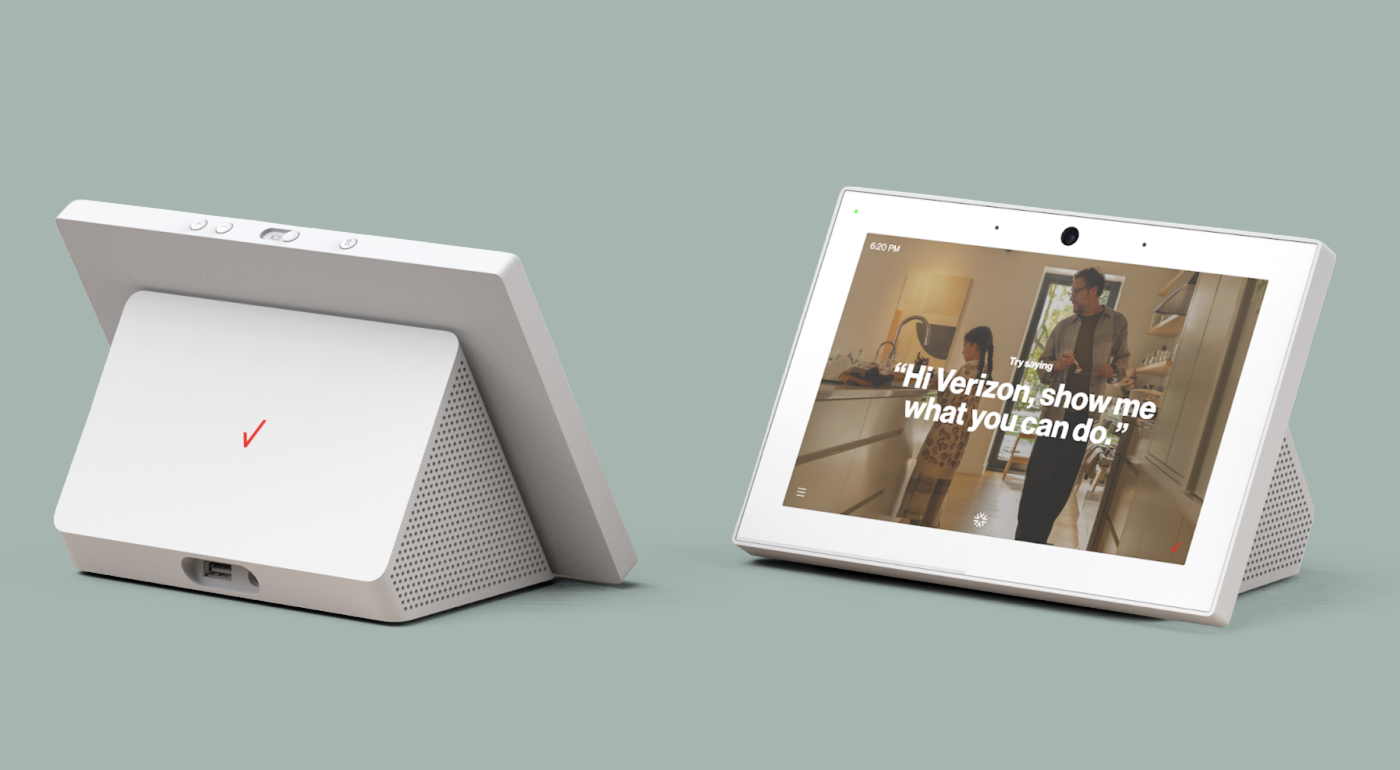
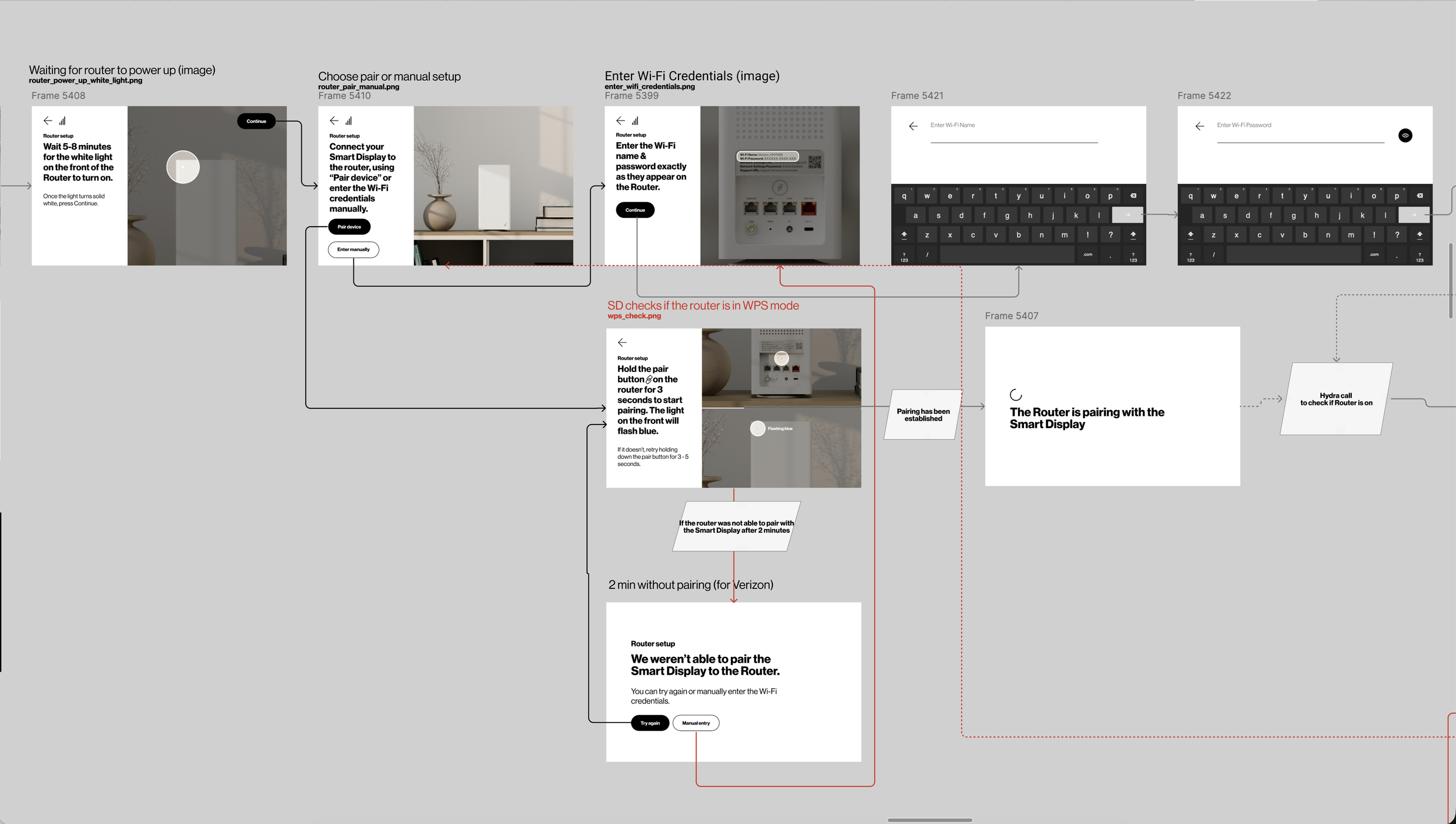
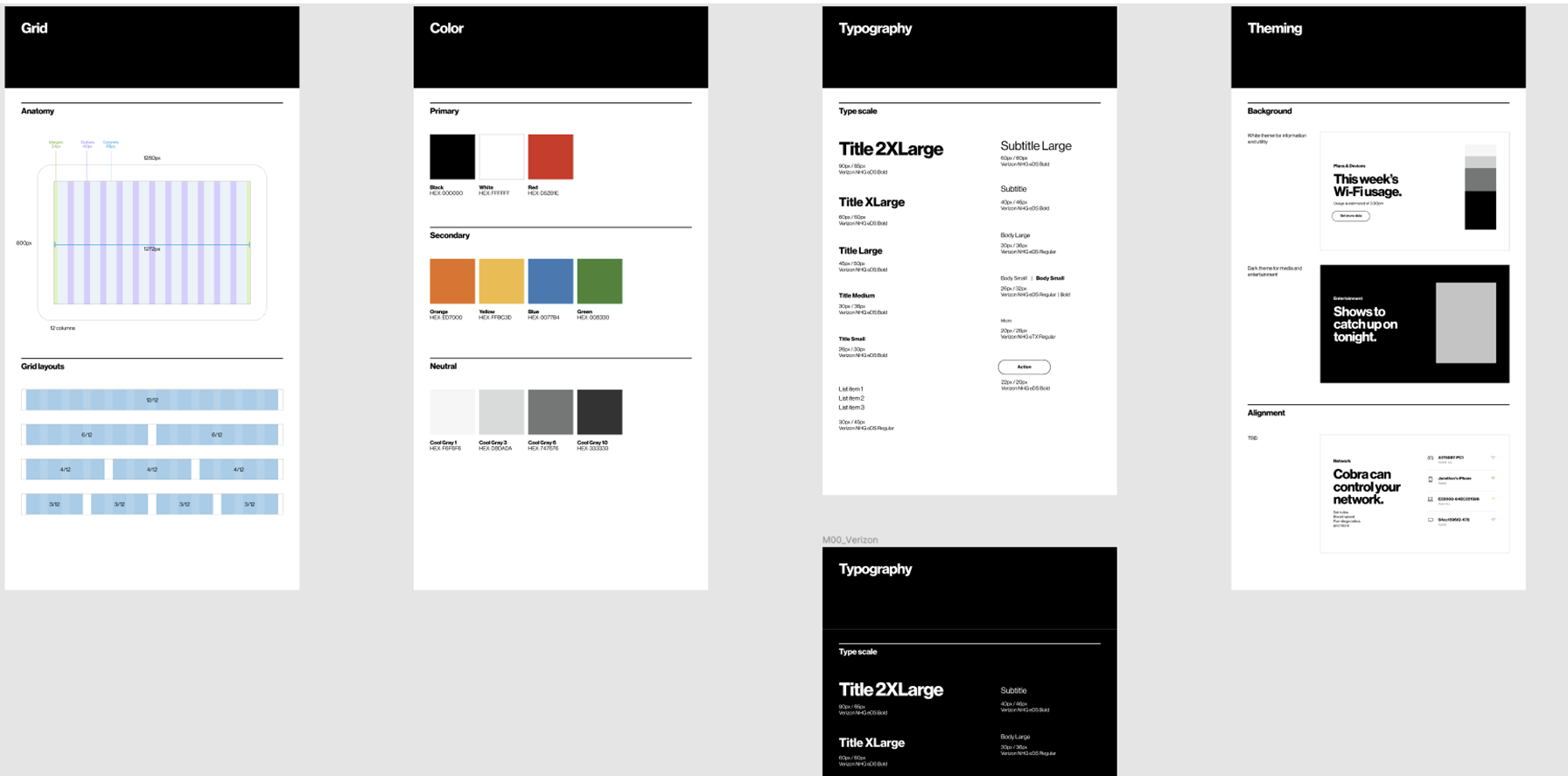
I designed as well as led a team building a conversational AI smart display combining voice, vision, and text to guide customers through setup and troubleshooting, at a time when no design patterns existed for that kind of experience.
Why It Mattered
The work pushed design and engineering into next-generation AI territory early, building the cross-functional capability and shared language the team needed to lead experiences the rest of the industry was still figuring out.
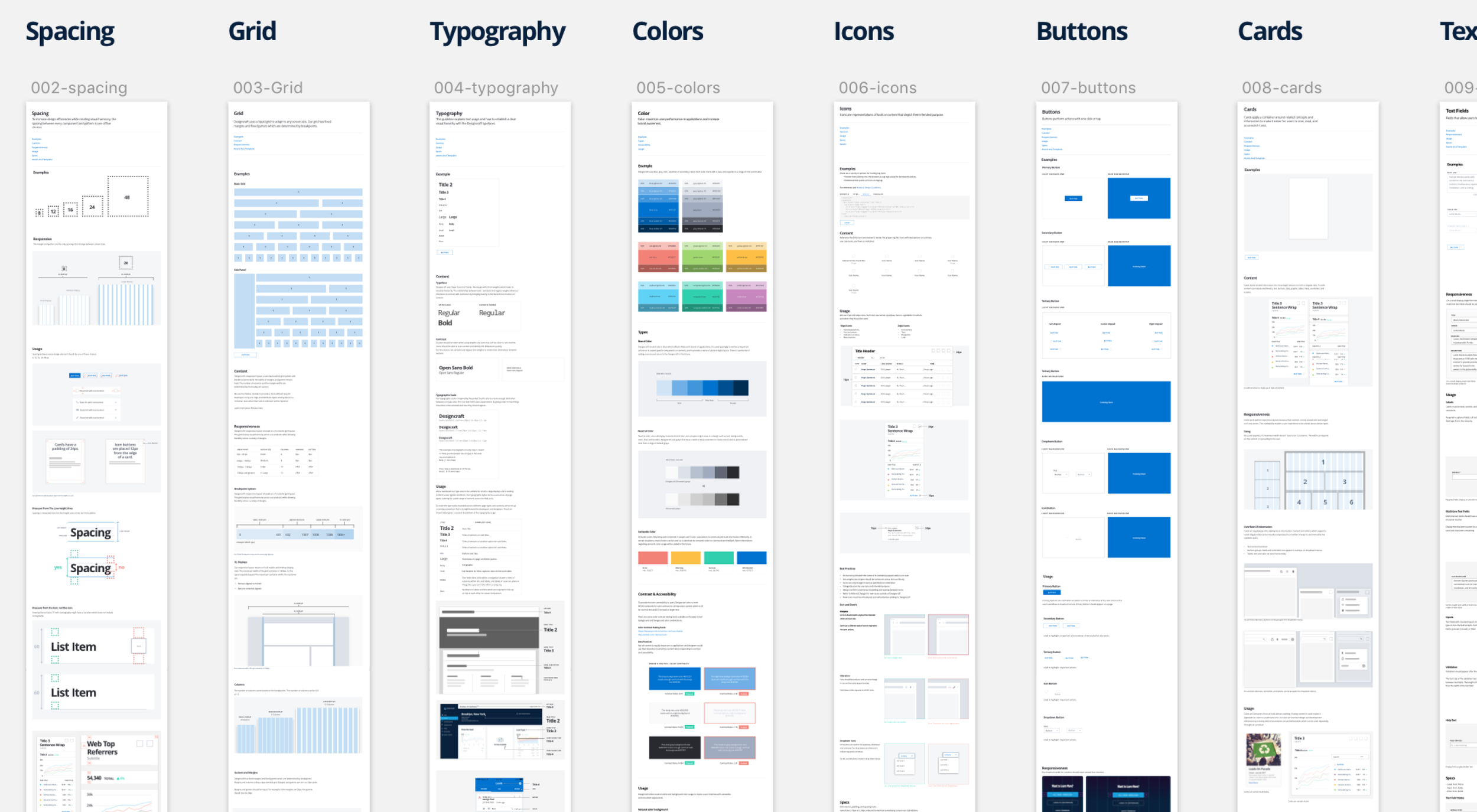
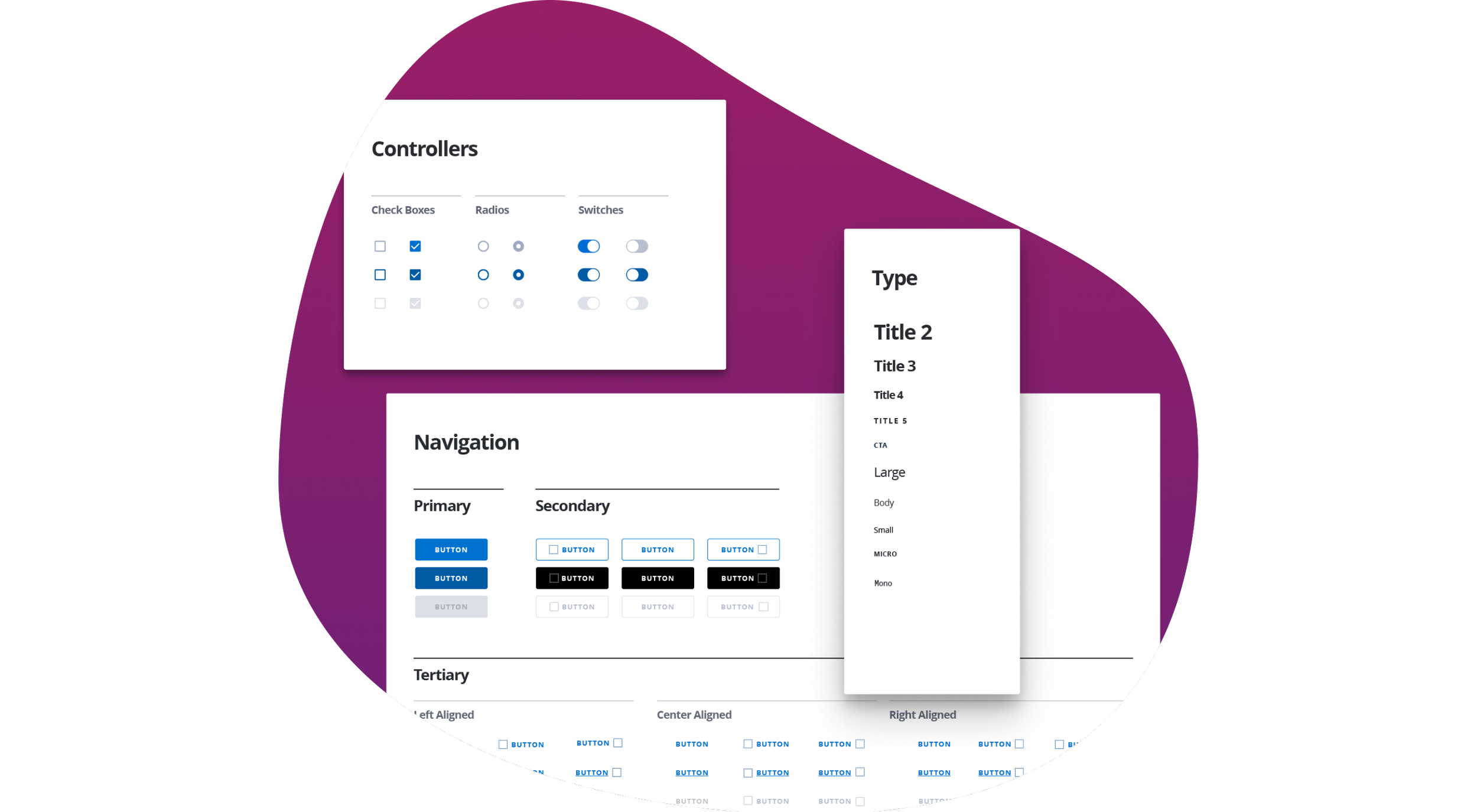
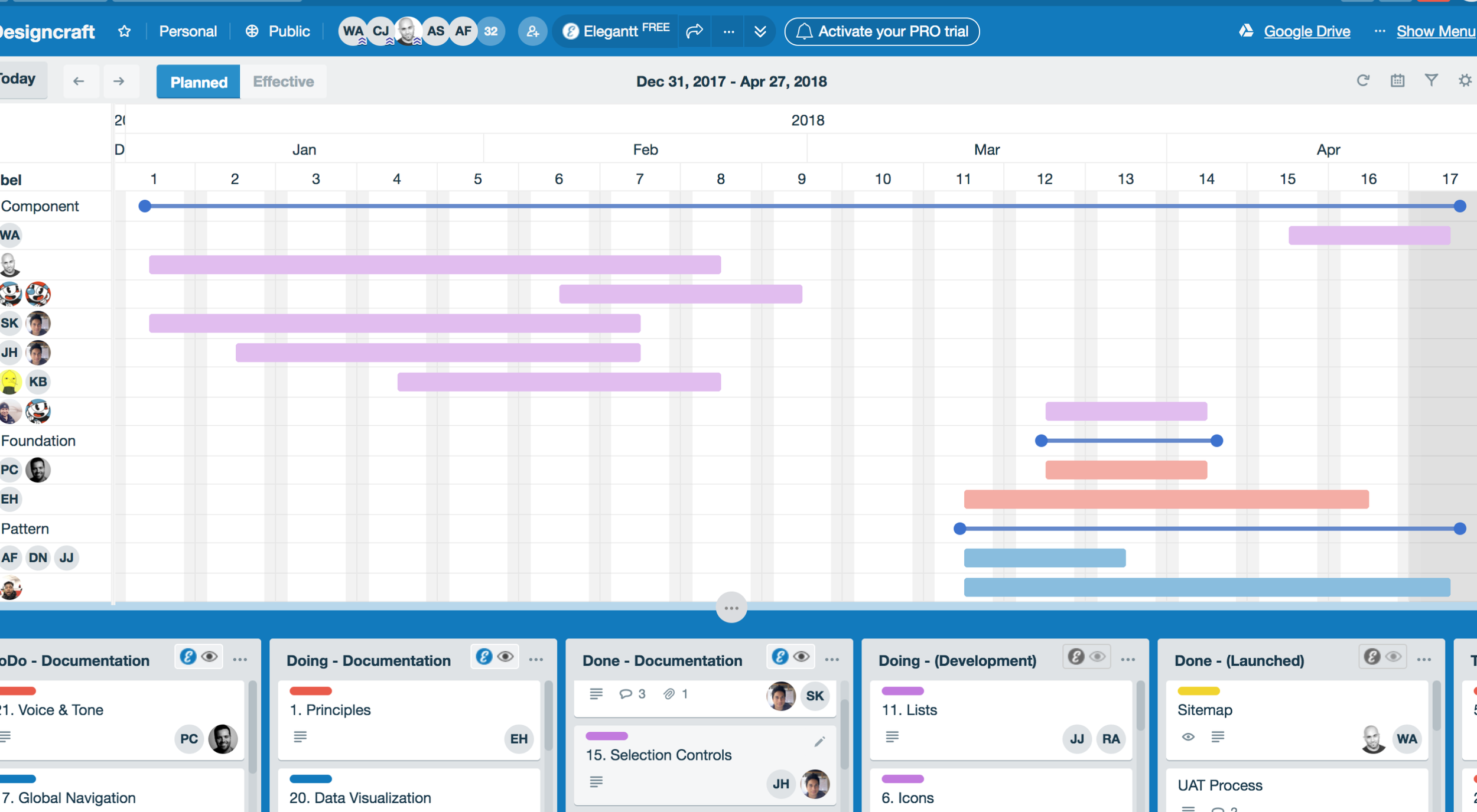
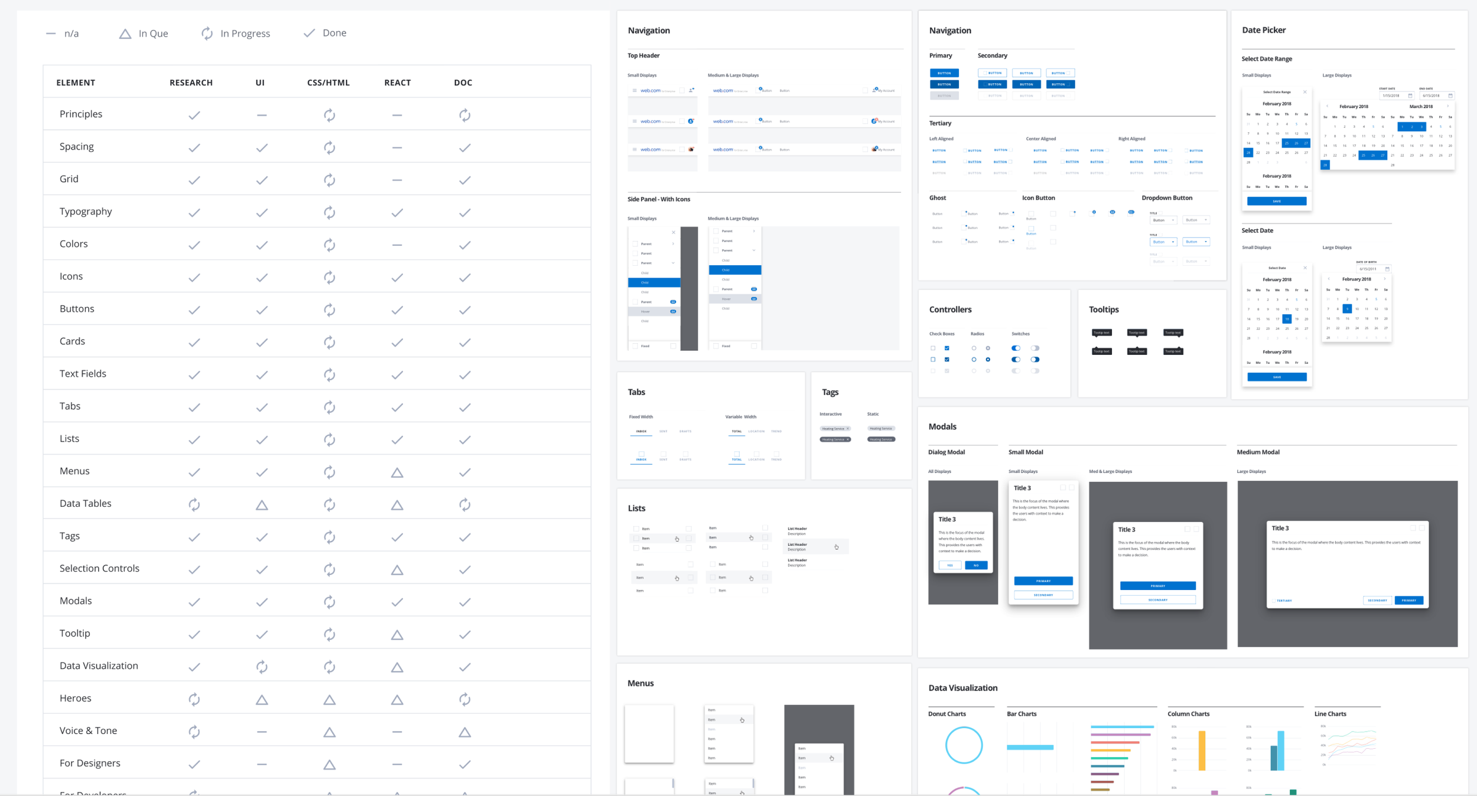
Web.com • Designcraft Design System
Building consensus and a design system
Role
Design Manager
Challenge
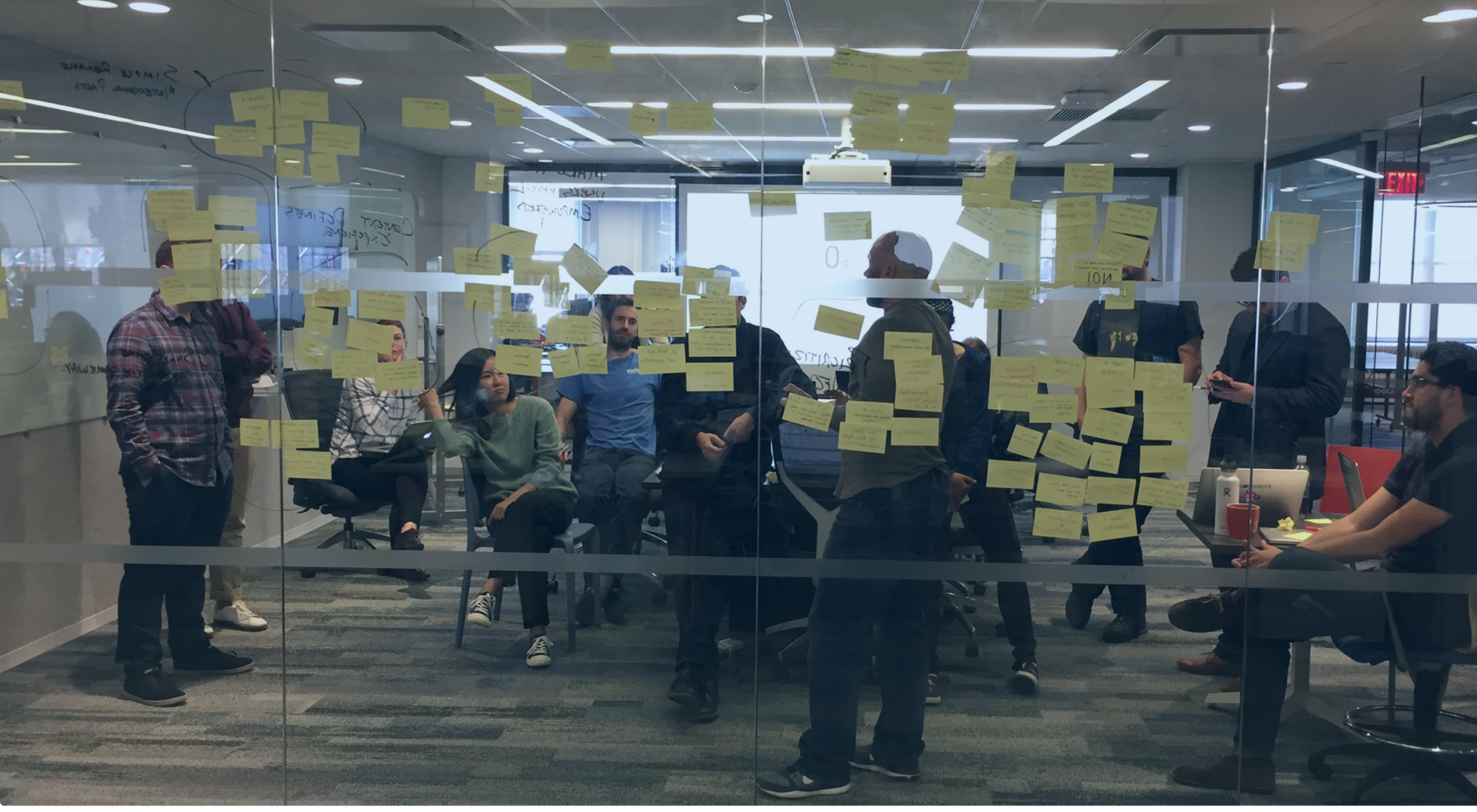
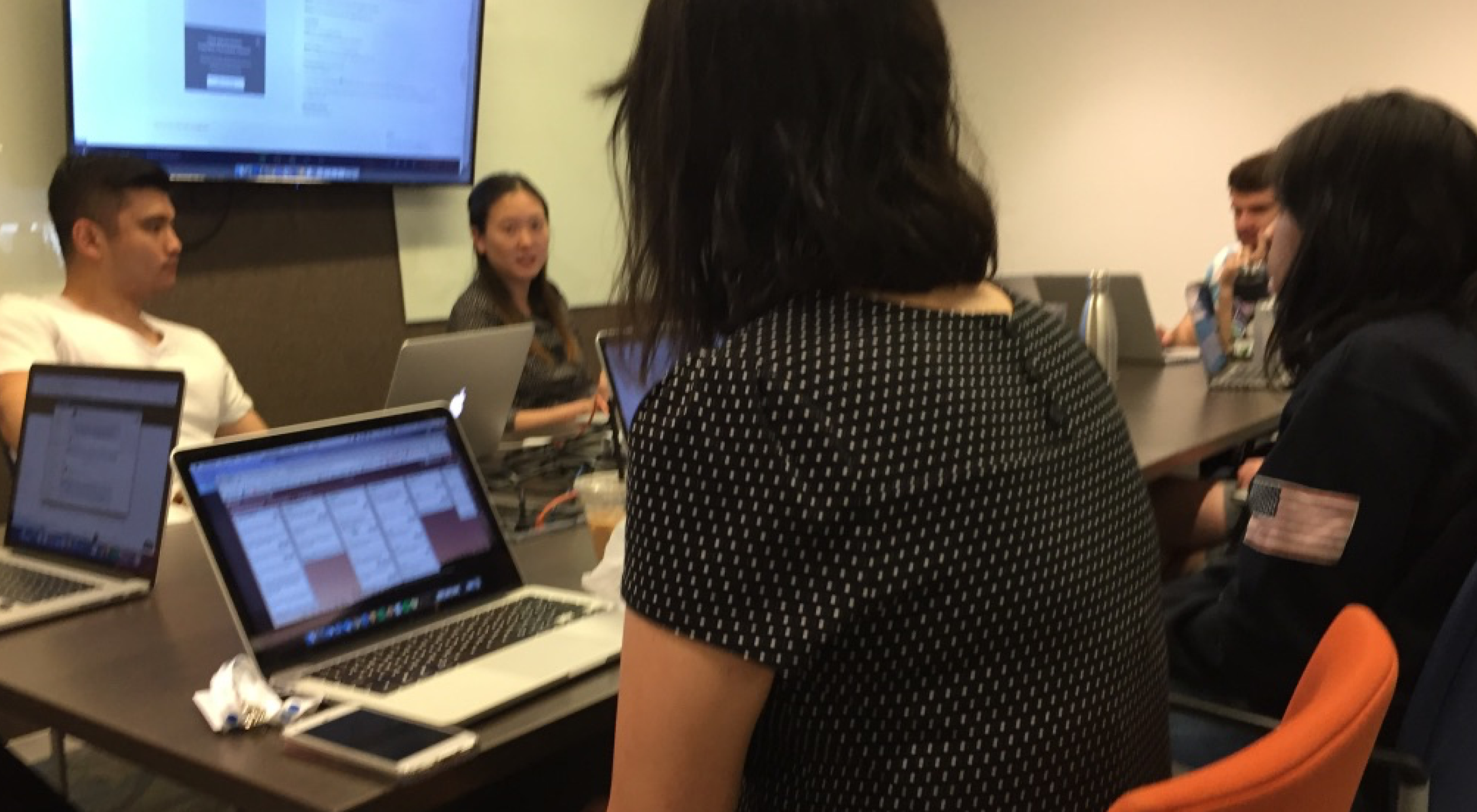
This story begins in 2016, years of acquisitions left Web.com with 15+ product teams working in different directions with no shared design foundation. A previous attempt at a design system had already failed.
Solution
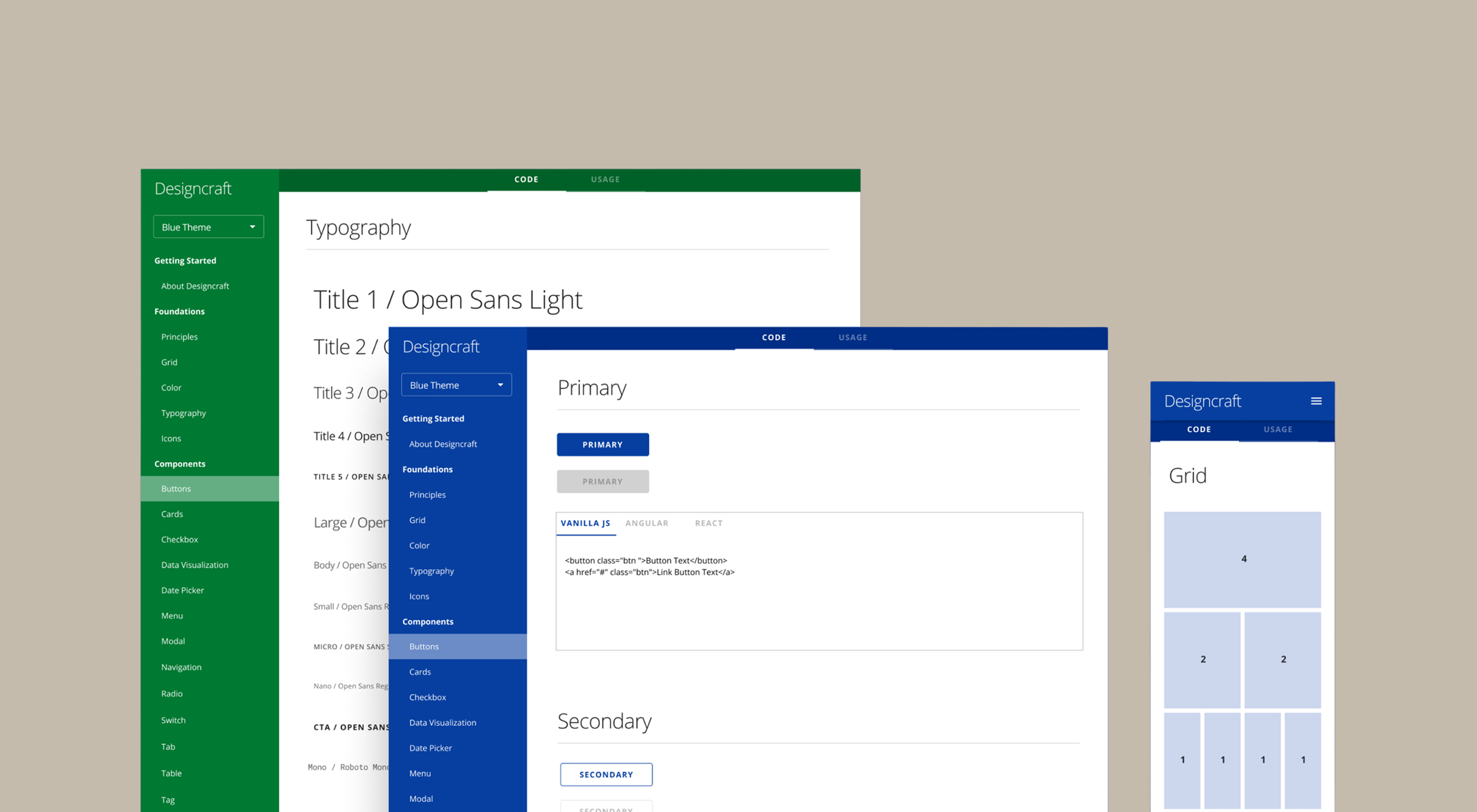
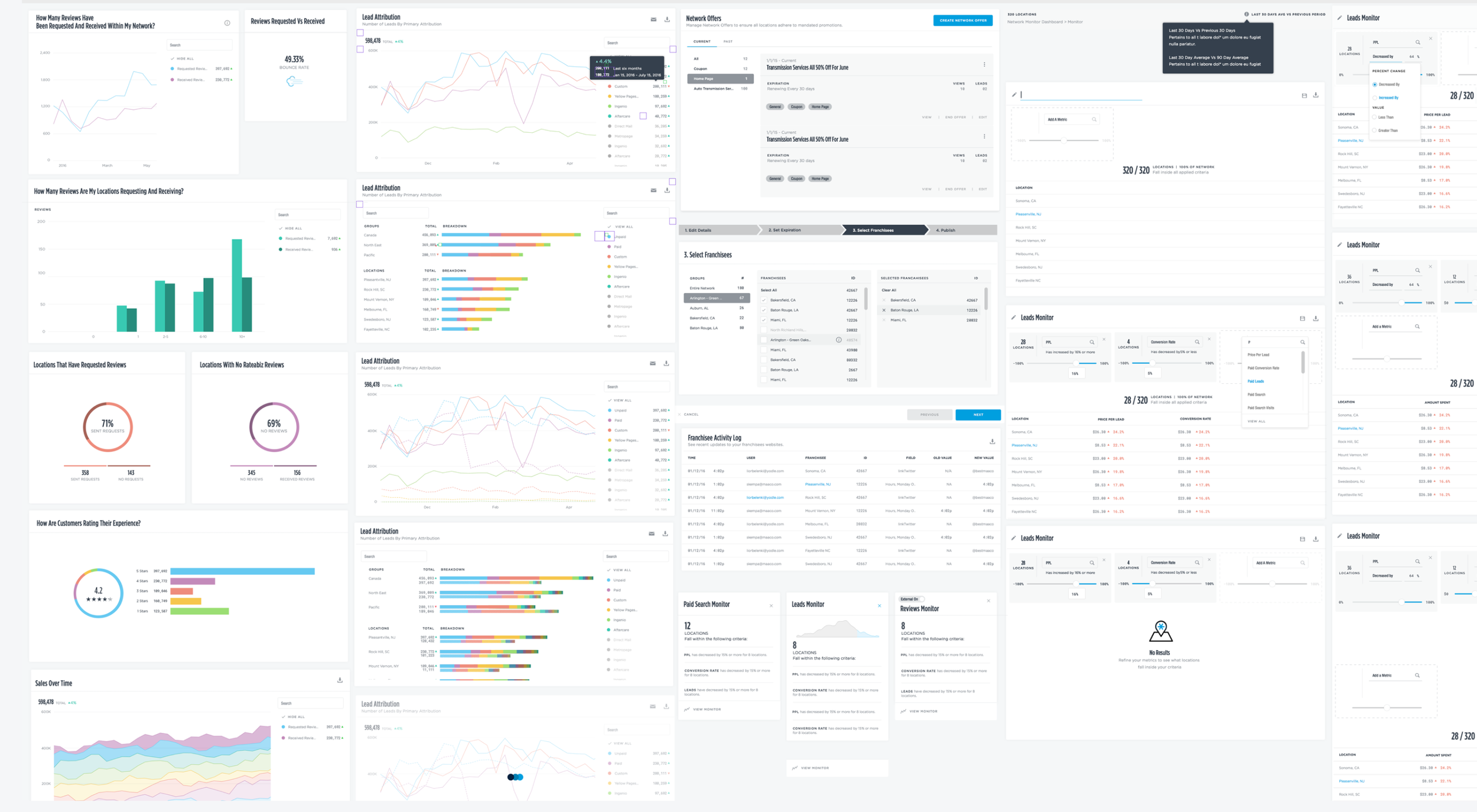
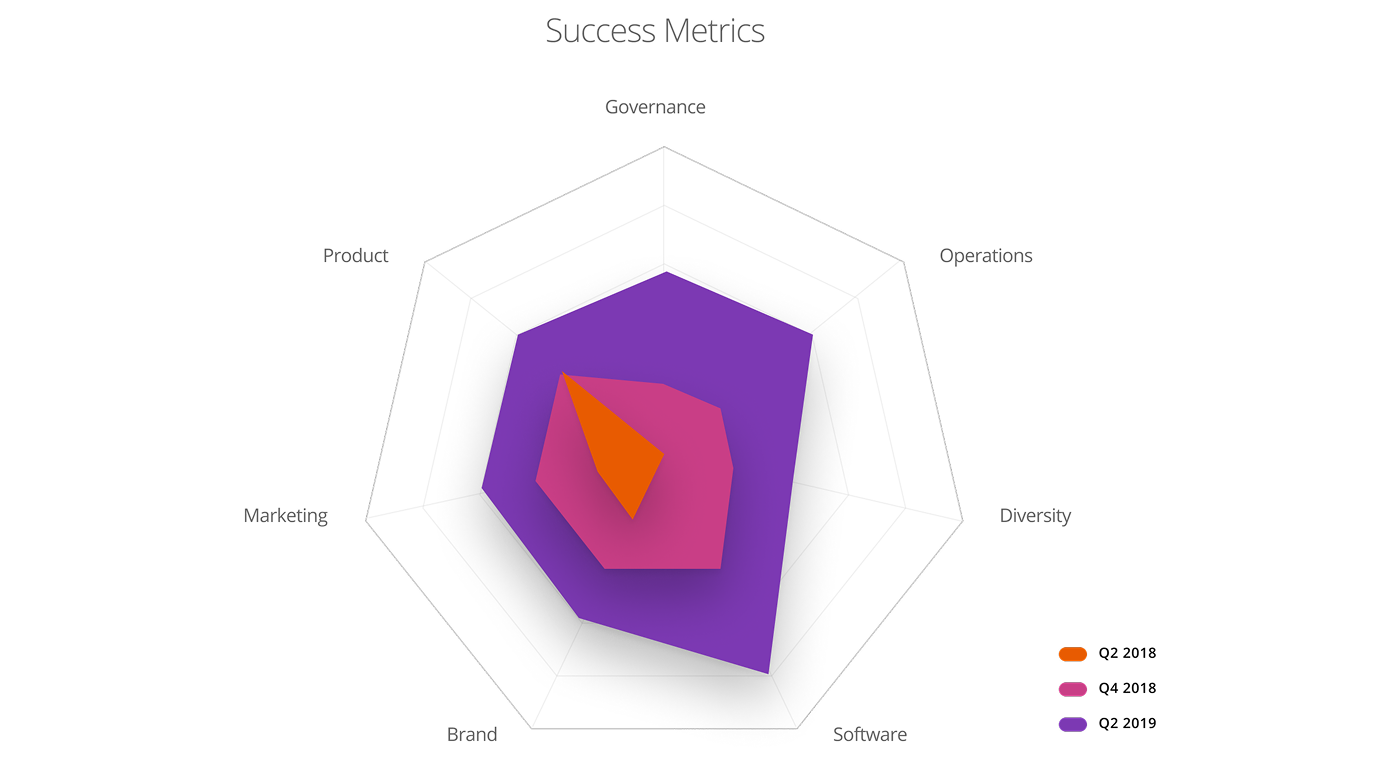
In 2018, I led a federated team of designers and developers drawn from across the company to build Designcraft, Web.com's design system, from scratch. Started by understanding why the first attempt failed, then built the organizational buy-in and the system together.
Results
Consistent design across 15+ product teams. Designers freed to focus on harder, more meaningful problems. A system that actually got adopted.
Always keeping people in mind
100m
Customers interact with financial experiences that my team designed to improve their well-being. We never lost sight of the fact that each one of those customers is a real person with real financial goals and anxieties.
342m
Devices, powered by a platform my team, engineering, and product built together. I’m very proud of our work because behind every device is a household that has a safer and more secure network.
24
Incredible people who taught me as much as I taught them. Mentoring designers is one of the best parts of this job. Many of us still talk. That's the part I'm most proud of.
FAQs
-
I surface what each stakeholder needs, facilitate joint problem-solving around shared goals and customer data, and keep product, engineering, and business partners close to the research so decisions belong to the whole team. I use principled negotiation for resolving conflicts without damaging relationships or compromising product quality. Always coaching my team to do the same.
-
I make sure research informs decisions throughout the product lifecycle. I build relationships with research partners, coach my team to write briefs for qualitative studies that answer the question why, and layer in structured methods like card sorting, Kano, and MaxDiff to quantify what matters most.
I encourage designers to be hands-on in understanding the customer by watching session recordings, running rapid studies, and interpreting behavioral analytics.
-
As a Senior Design Manager, I use AI as a leadership tool to prepare for difficult conversations, synthesize team feedback, and make faster, more informed decisions.
For designers, AI Is a great tool that compresses research time, accelerates prototyping, and makes it possible to explore more directions in less time. Designers still provide taste, ethics and human insight to bring it across the finish line.
I see a pattern of how AI is changing the design process, which I am studying and encouraging:
Team begins in an LLM to align around a shared understanding
Work with our Research team and talk to customers early and often
Prototype with AI (Claude Code, Figma Make) while humans guide UX quality
Design flows in Figma when the concept is validated. Include edge cases, unhappy paths, and align with accessibility and design system.